Prevent Damping Off Disease in Seedlings with These 8 Simple Tips

1.4K
115
13
2025-10-24
Prevent Damping Off Disease in Seedlings with These 8 Simple Tips

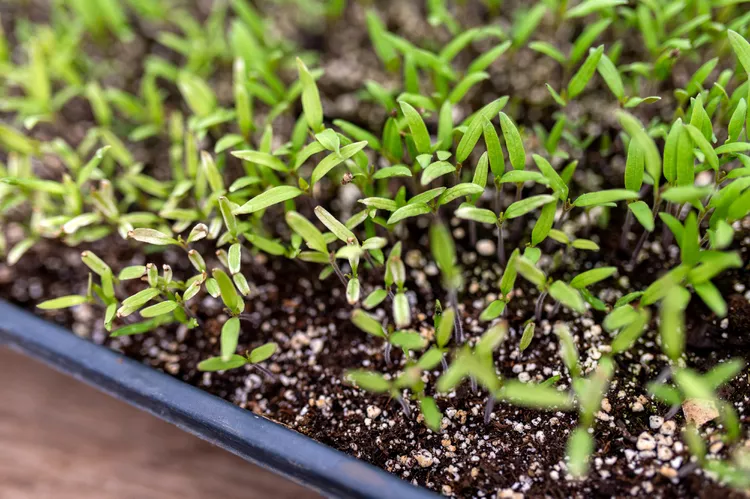
Damping off is a common plant disease that affects seed germination rates and can cause entire flats of newly sprouted seedlings to rapidly wither and die. Both vegetable and flowering plants are susceptible to damping off, and infected plants cannot be cured. While combating plant diseases can be challenging, there are several ways to prevent damping off in seedlings. This guide will walk you through what you need to know to keep your sprouting seedlings healthy.

What Is Damping Off?

Damping off disease is caused by several types of fungi, including Pythium, Botrytis, and Fusarium, which naturally occur in soils and are particularly prevalent in cool, moist conditions. These plant pathogens are common in outdoor gardens, but they can also creep indoors and infect potting mixes. Seedlings are most vulnerable to damping off spores immediately after they germinate, and plants become more resistant after their true leaves appear.

Damping Off Disease Symptoms

If you’ve ever had a flat of seedlings wilt rapidly even though they were watered correctly, you’ve likely encountered damping off. Although damping off is common, the symptoms vary significantly because several types of fungi cause it.

Some of the most common signs you may be dealing with damping off include:

  • Seeds don’t germinate.
  • Seedlings rapidly die or wither.
  • Seedling stems look shriveled and thin or like they’ve been pinched off at the soil line and collapsed.
  • Seedling leaves are mushy, discolored, or wilted, even when they receive enough water.
  • Seedlings have stunted or absent roots.
  • Cobweb-like mold develops on seedlings and the soil line. (Not to be confused with seedling root hairs, which are normal.)

If your seedlings succumb to damping off disease, isolate and dispose of the infected seedlings immediately. Don’t compost any infected plant material or potting mixes, because damping off spores can survive the composting process.

Tips for Preventing Damping Off

Damping off isn’t curable, so the best thing to do is focus on prevention. These growing tips will help you protect indoor and outdoor seedlings from damping off.

1. Disinfect plant pots and trays.

If you start seedlings indoors, disinfect any seedling-growing trays, trowels, humidity domes, plant labels, and other supplies if you used them during previous growing seasons. These supplies can sometimes harbor damping off spores, which can infect new seeds after you sow them. Disinfect the supplies by spraying or wiping them with rubbing alcohol and letting them dry or soaking them in a 10% bleach solution for 30 minutes.

2. Use fresh seed-starting mix.

Old potting mixes can sometimes be infected with damping off disease and should never be reused for seed starting. Instead, use fresh seed-starting mix and steer clear of regular potting mix or garden soil for indoor seeds. Standard potting mixes and garden soil don’t drain as well as seed-starting mixes, and garden soil may contain damping off spores.

3. Add a fan.

Damping off thrives in cool, moist conditions with stagnant air, and it’s particularly prevalent in closed-up growing rooms with poor airflow. However, adding a small fan to the space can boost air circulation and keep seedlings healthy. Also, don’t forget to remove humidity domes after seedlings sprout.

4. Don’t overwater.

Overwatering and soggy soil also encourage damping off, but they can be avoided by following proper watering guidelines. Start seeds in well-draining pots and only water seedlings when the top of the soil feels slightly dry to the touch. For even better results, water seedling trays from the bottom to keep plant leaves dry.

5. Use grow lights and a heat mat.

Damping off is more likely to occur in slow-growing seeds that take a while to germinate, while fast-growing seeds tend to be more resistant. One way to speed up germination is to use grow lights for 12 to 16 hours a day. Another option is to keep seedling trays on heating mats, but remember to turn the mats off after the seeds sprout.

6. Experiment with soil amendments.

Studies have found that certain soil amendments, like worm castings and biochar, can protect seedlings from damping off. Adding some of these amendments to seed-starting mixes can give your seedlings an advantage.

7. Thin out seedlings.

Overcrowded seedlings can become stressed and are more prone to damping off due to poor air circulation. Keep seedlings healthy by thinning them out (if needed) after they’re a few inches tall and have at least two sets of true leaves.

8. Plant outdoor seedlings at the right time.

Waiting to plant seeds in spring can be difficult, but planting seeds outdoors too early increases the chances of damping off. Most seeds germinate faster in warm soil; seeds planted outside too early are slower to germinate and more vulnerable to damping off. Seed packets typically state when and how to plant seeds; following these instructions will boost seed germination rates and help you grow healthier seedlings.

Frequently Asked Questions

  • Does cinnamon help with damping off?

    Cinnamon has anti-fungal properties and can be used to protect seedlings against damping off. To apply, sprinkle a light dusting of cinnamon powder over the seed-starting mix after planting seeds.

  • How do I know if my seedlings have damping off disease?

    Cutworms, underwatering, and some plant diseases resemble damping off at first glance, but carefully inspecting seedling stems can help you positively identify damping off. Cutworms typically snip stems off in a sharp line, while damping off causes stems to shrivel.

  • Can fungus gnats cause damping off?

    Yes, fungus gnats can transmit pythium spores, which lead to damping off. Watering seedlings correctly and using apple cider vinegar traps can control fungus gnats naturally.

Related Article

Follow This Summer Garden Checklist to Keep Plants Thriving All Season
8.9K
533
213

Follow This Summer Garden Checklist to Keep Plants Thriving All Season

These guidelines will help you stay on top of summer gardening tasks and maintenance, keeping your plants colorful and thriving throughout the season.
12 Plants You Should Never Cut Back in Fall
20.6K
1K
102

12 Plants You Should Never Cut Back in Fall

These common garden shrubs and perennials should not be cut back in fall if you want healthier plants and more abundant flowers.
How to Test Your Garden Soil’s pH Level in 4 Simple Steps
22.4K
447
160

How to Test Your Garden Soil’s pH Level in 4 Simple Steps

Check your soil's acidity or alkalinity with an inexpensive kit, then use this info to decide which additives you need to grow healthier plants.
How to Sharpen Your Lawn Mower Blade for a Cleaner Cut
17.4K
872
113

How to Sharpen Your Lawn Mower Blade for a Cleaner Cut

Follow this step-by-step guide on how to sharpen your lawnmower blade for grass that will look tidier and stay healthier all season long.
How to Improve Soil in an Established Plant Bed
5.9K
530
111

How to Improve Soil in an Established Plant Bed

How to amend soil around plants without having to dig them up. Follow our easy tips.
Can You Mow Wet Grass? The Answer, Plus 7 Mowing Tips
39.7K
2.8K
444

Can You Mow Wet Grass? The Answer, Plus 7 Mowing Tips

Wet grass, whether it’s from morning dew or relentless rain, makes lawn care challenging. Keep your turf in check with our mowing tips.
Ladybug vs. Asian Lady Beetle: How to Tell the Good Bug from the Bad Bug
33.1K
1.3K
330

Ladybug vs. Asian Lady Beetle: How to Tell the Good Bug from the Bad Bug

A ladybug and an Asian lady beetle look similar, but one type helps control unwanted insects in the garden while the other is a pest itself. Here's how to tell these similar-looking bugs apart.
How to Get Rid of Clover Mites and Keep the Pests Away from Your Home
46.8K
3.3K
1.5K

How to Get Rid of Clover Mites and Keep the Pests Away from Your Home

Here's how to identify clover mites, the conditions that attract them, and ways get rid of them.
8 Insect-Repelling Plants that Work Naturally to Send Bugs Packing
25.2K
2K
947

8 Insect-Repelling Plants that Work Naturally to Send Bugs Packing

Improve your time outdoors with a few strongly scented insect-repelling plants, which can send pesky biting bugs, like mosquitoes and flies, packing.
2 Plants that Repel Ticks and Fleas from Your Yard
39.7K
4K
1.8K

2 Plants that Repel Ticks and Fleas from Your Yard

Flea and tick season is inevitable. Use garden plants that repel ticks and fleas to keep blood-sucking pests far away from you and your pets.
What Are the Tiny White Bugs on Your Plants? 4 Common Pests They Could Be
33.6K
671
140

What Are the Tiny White Bugs on Your Plants? 4 Common Pests They Could Be

Tiny white bugs on plants in your home or outdoors can be a big problem. Learn how to identify and get rid of them with this guide.

8 Expert Tips on How to Keep Squirrels Out of Bird Feeders
31.2K
2.5K
923

8 Expert Tips on How to Keep Squirrels Out of Bird Feeders

These tips from experts on how to keep squirrels out of bird feeders ensure a cleaner outdoor space and only birds at your feeder.
8 Tips for Growing Cherry Tomato Plants That Will Thrive All Season
5.2K
364
152

8 Tips for Growing Cherry Tomato Plants That Will Thrive All Season

Find out how to keep your cherry tomato plants producing plenty of ripe, juicy fruit from midsummer until fall.
Is Basil a Perennial That Will Come Back Each Year?
22K
1.8K
316

Is Basil a Perennial That Will Come Back Each Year?

Is basil a perennial or an annual in your area? No matter where you live, these gardening tips will let you enjoy fresh basil year-round.
10 Best Lavender Companion Plants
30.4K
3K
303

10 Best Lavender Companion Plants

Learn how to grow a lower maintenance edible or ornamental garden with these top lavender companion plants.
How to Grow Sweet Potatoes in Containers for a Tasty Harvest
46.9K
4.2K
2.1K

How to Grow Sweet Potatoes in Containers for a Tasty Harvest

This guide covers how to grow sweet potatoes in containers, including must-know tips on choosing containers, planting, care, and harvesting.
9 Tips for Companion Planting Vegetables to Boost Harvests
35.9K
2.5K
451

9 Tips for Companion Planting Vegetables to Boost Harvests

Companion planting is a natural and organic gardening technique that helps repel pests and grow healthier plants. Use these smart tips to start companion planting in your vegetable garden.
This Corner Garden of Shrubs and Trees Will Look Beautiful Year-Round
49.9K
4.5K
988

This Corner Garden of Shrubs and Trees Will Look Beautiful Year-Round

This simple plan, which includes trees and shrubs for the corner of your house or patio, offers privacy and plenty of vertical interest.
This Clay Soil Garden Plan Will Thrive Even in Tough Conditions
26.5K
1.1K
413

This Clay Soil Garden Plan Will Thrive Even in Tough Conditions

The plants in this stunning clay soil garden plan thrive in less than ideal planting conditions.
This Easy-Care Summer Garden Plan Will Shine in a Sunny Spot
28.4K
568
96

This Easy-Care Summer Garden Plan Will Shine in a Sunny Spot

Use this easy-care summer garden plan to enjoy a beautiful season-long floral show with very little work.