
Companion planting can help you grow healthier and more productive plants without harsh pesticides and synthetic fertilizers. This gardening technique has been used for generations to naturally boost plant health and reduce pest activity in garden spaces, herb beds, and container gardens. Try out some of these top companion plant pairings in your garden this year to get your best harvest yet.
What is companion planting?
It doesn’t just matter what plants you grow, it also matters where you plant them. As author Jessica Walliser explains in her book, Plant Partners, gardens are “an ecosystem rather than a contrived environment,” and choosing to grow certain plants together can be the secret to gardening success. Companion planting works by pairing the right plants in garden beds to enhance the growth of one or both plants. But what are companion plants exactly?
Companion plants are plants that benefit each other in at least one way. Those benefits can include natural pest control, increased pollinator activity, improved plant and soil health, added shade and support, weed suppression, and better disease resistance.
One of the most classic examples of companion planting is the Three Sisters, which was developed by Native American cultures centuries ago. In this companion plant pairing, corn, squash, and climbing beans are interplanted together to enhance the growth of each other. The corn provides support to the beans, the beans boost soil nutrients due to their nitrogen-fixing abilities, and squash’s large leaves shade the soil to conserve moisture and block weeds.
The Three Sisters is just one example of companion planting, although there are many more. Over the years, companion plant recommendations have been based mostly on folklore and personal experiences. However, as this gardening technique has gained popularity in recent years, there have been more scientific studies conducted to find the best tried-and-true companion plant pairs. You'll find the results of these studies in the tips below.
1. Use Herbs to Repel Pests
Many pest insects avoid strongly scented herbs and other plants. Interplanting scented plants among your vegetables can naturally repel many insects and can even keep deer and other plant-eating creatures out of your garden beds. Try these aromatic plants to naturally repel pests:
- Garlic and other alliums – Repels deer, slugs, caterpillars, and Japanese beetles
- Mint – Repels flea beetles, moths, and aphids
- Sage – Repels cabbage moths and carrot flies
- Tansy – Repels ants, beetles, and a number of other flying insects
- Rosemary – Repels cabbage loopers, carrot flies, and bean beetles
2. Interplant with Flowers
In the past, companion planting mostly focused on the benefits that different vegetable plants can provide to each other when planted together. However, more recent studies have found that ornamental flowers and flowering herbs can be some of the best species for companion planting.
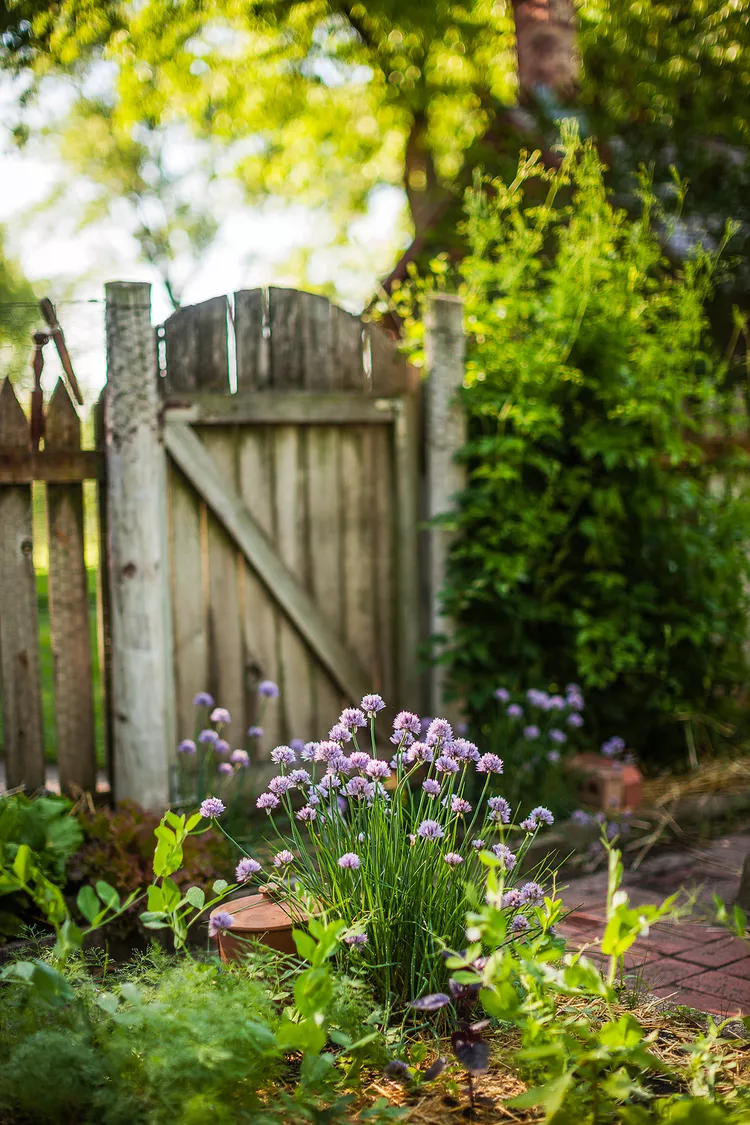
Flowering herbs, such as dill, sage, and chives, are extremely attractive to bees and other pollinators. Choosing to grow these herbs among your vegetables can increase pollinator activity and boost harvest yields of fruiting plants like squash and cucumbers.
3. Attract Beneficial Insects
Just as flowering plants attract pollinators, they can also boost the activity of other beneficial insects in your garden. These beneficial insects will feed on pests and reduce the need to use harsh pesticides.
Plants like cosmos, calendula, and marigolds can attract parasitic wasps and hoverflies that feed on cabbage loopers and other pests. These plants can be helpful when growing broccoli, cauliflower, and other brassicas, which are often targeted by caterpillars.
If you’re struggling with aphids, dill, alyssum, and coriander can attract ladybugs to keep aphid populations in check.
4. Improve Garden Soil
Legumes, like beans and peas, are well known for their nitrogen-fixing abilities, which naturally improve garden soil and reduce the need for fertilizers. Interplanting legumes with other vegetables can help your plants grow healthier and faster. As nitrogen is particularly useful for leaf development, planting legumes with leafy greens can help you grow lusher leaves. Some other top companion plants for legumes include:
5. Try Out Trap Crops
Trap crops are plants that are more attractive to pest insects than vegetable plants. Growing trap crops near your garden can direct pests away from the vegetables you actually want to harvest. Some classic examples of trap crops include:
- Nasturtium can act as a trap crop for a wide variety of destructive insects, including aphids and beetles.
- Squash bugs often prefer Hubbard squash to other squash plants so they can be used to lure these pests away from the squash you actually want to harvest.
6. Grow Natural Support
Just as in the Three Sisters method, tall and sturdy plants like corn and sunflowers can be used as natural supports for vining plants. Since you won’t need to invest in trellising systems, these plant pairings can save you money. The natural look of bean vines climbing up sunflowers and corn can be quite pretty, too!
7. Shelter From Too Much Sun
While most vegetables and herbs prefer to grow in full sun, if you live in a hot area, some plants may suffer from sunburn during the heat of summer. Companion planting can help you avoid this. To protect tender plants, try growing larger, leafy plants above them to provide shelter and shade during the heat of the day.
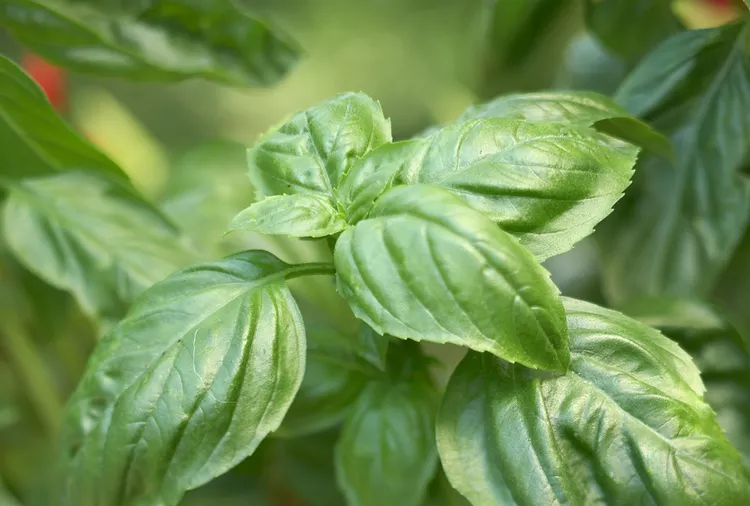
For example, companion planting tomatoes with basil will help shield basil leaves from the bright sun and prevent leaf scorching. In return, basil appears to reduce some pest and disease problems for tomatoes.
8. Control Weeds
Large leaves can shelter plants from the sun, but they do more than that. Interplanting garden beds with leafy greens and other plants with large leaves can actually help keep your garden soil covered. This in turn will naturally suppress weed growth and reduce the need for weed killers. Additionally, by covering the soil, leafy plants can also slow down evaporation rates and help regulate moisture levels for nearby plants.
9. Sow Fast Growers
Plants like tomatoes, squash, and cucumbers can be slow-growing, and you may need to wait several months to harvest your produce. To maximize your garden space, try companion planting fast-growing vegetables among your long-season crops. Plants like carrots, radishes, and lettuce will often grow fast enough that you can get a harvest or two in before your tomatoes mature!
Plant Pairings to Avoid
While most plant pairings are beneficial, there are a few plants that don't make good garden neighbors. Species like black walnut and fennel produce compounds that inhibit the growth of nearby plants, so they should never be grown beside your vegetables.
Additionally, in order to prevent disease and pest spread, avoid planting similar plant species together. For example, peppers, tomatoes, and other nightshades can be vulnerable to the same pests, and they should be spaced apart in your garden.