Is Basil a Perennial That Will Come Back Each Year?

22K
1.8K
316
2025-11-03
Is Basil a Perennial That Will Come Back Each Year?

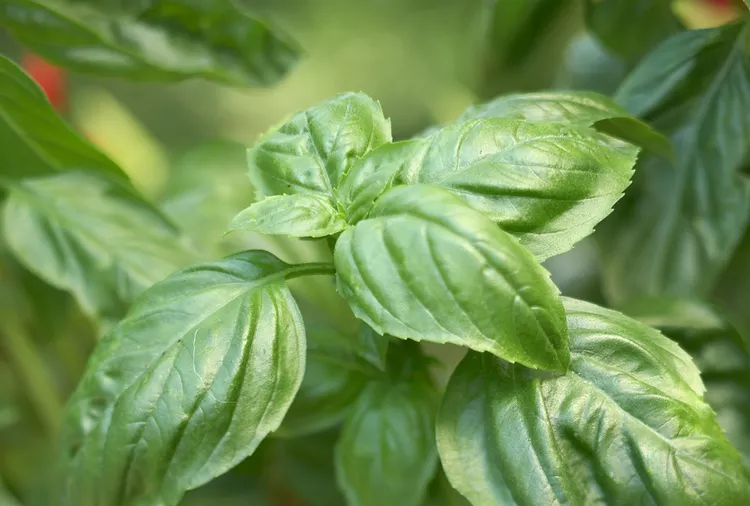
Basil is a must-have herb if you love pesto and caprese salad, but basil plants aren’t as cold-hardy as other culinary herbs, such as oregano and sage. In most areas, basil grows as an annual, and the plants die at the first sign of frost. However, with a bit of know-how and a few gardening tricks, you can grow fresh basil all year round and have fresh herbs on hand for your favorite basil recipes.

Is Basil a Perennial? 

Most types of culinary basil are native to warm regions of Asia and Africa. They grow as perennial plants in USDA Zones 10–11. In cooler climates where frost occurs, culinary basils are grown as annual plants and don’t survive the winter. However, basil self-seeds if you allow the plants to flower.

Wild basil (Clinopodium vulgare) is a cold-tolerant plant that can survive in climates as chilly as Zone 4. It's used like culinary basil in recipes, although it has a milder flavor with hints of cilantro. Wild basil is only distantly related to culinary basil plants (Ocimum spp.), but if you want to overwinter basil outdoors in a cool area, try experimenting with this basil substitute.

How to Extend Your Basil Harvest

Because culinary basil doesn’t tolerate frost, these edible plants usually die back in early to midfall, as soon as temperatures begin to drop. However, you can shield your basil crop from the cold and extend the harvest by a few extra weeks:

  • Plant nursery starts or start basil seeds indoors. Pre-started basil plants may be more expensive than basil seeds, but they allow you to harvest basil leaves earlier in the season. If you’re struggling to grow a large basil harvest before autumn frost arrives, start your herb garden off in spring with larger plants.
  • Harvest often. Picking basil leaves throughout the growing season encourages the plants to branch out and sprout more leaves. Beyond that, pinching back basil regularly also keeps the plants from flowering, which causes basil plants to produce fewer leaves.
  • Use season extension products. While basil doesn’t handle frost well, if the forecast is for a light frost, you may be able to protect your basil plants with season extenders and prolong the harvest by a few more days or weeks. Floating row covers, cloches, or overturned milk jugs shield plants from mild frost and keep them growing strong.

How to Grow Basil Year-Round

Most gardeners plant basil in spring and harvest the crop throughout the summer. However, if you want to extend the harvesting window and grow basil all year round, grow basil indoors and harvest fresh leaves from the plants throughout the winter months. When properly maintained, basil plants usually last about a year indoors, but they can sometimes live up to four years.

Indoor basil plants can be started from seed, stem cuttings, or nursery starts. Basil plants purchased at the grocery store usually won’t last long indoors as these plants are often root-bound and overcrowded. However, you can take cuttings from grocery store herbs and propagate them into new plants for your indoor herb gardens.

One of the great things about basil is that it thrives in pots, and you can keep a pot or two of basil on your windowsill or in a sunny corner of your kitchen and harvest leaves just as you need them for recipes. Basil plants grow best in pots that are at least 8 to 10 inches wide. Also, ensure that any container you grow basil in has plenty of drainage holes at the bottom to prevent soggy soil.

When you’re ready to plant indoor basil, choose a nutrient-rich potting mix and position started plants in the mix to the same depth they were growing in their nursery pots. If placing more than one plant in a container, space them at least 8 inches apart for a fuller look or 12 or more inches apart to allow better air circulation.

If starting plants from seed, sow the basil seeds 1/8 inch deep and thin them to 3 to 4 inches apart after they germinate.

Indoor basil needs plenty of bright light and regular watering to grow properly. If you have a sunny windowsill that receives at least 6 to 8 hours of bright light daily, that’s a great place to locate basil. Alternatively, you can pick up a grow light to ensure your herb receives the light it needs.

How to Preserve Fresh Basil

While basil is a relatively easy herb to grow indoors, if you don’t want to maintain an indoor herb garden throughout the year, harvest your entire basil crop in late summer to early fall and preserve the leaves for future cooking. Basil leaves can be frozen whole, or you can chop them and freeze them in ice cube trays. Basil also dries beautifully, and you can keep the dried leaves in your spice cabinet.

Before freezing basil, blanch the fresh leaves for 30 seconds to preserve the leaves’ texture and color. Then, pat the leaves dry and flash-freeze them before storing them in airtight packaging in your freezer.

When drying basil, it’s best to dry leaves quickly with a dehydrator, microwave, or oven on the lowest setting. Hang-drying basil is not recommended, as fresh basil can discolor when it dries slowly.

Replanting Basil in Spring

Outdoor annual basil plants often self-sow if you don’t pinch back their flowers, so you may find that new basil plants sprout on their own in your garden every spring. However, basil seeds don’t always germinate, which is why many gardeners take matters into their own hands and plant basil annually.

Basil seeds can be started indoors or outdoors in spring, or you can plant new nursery-started basil plants outdoors after the danger of frost has passed. Planting a new crop of basil every year is the best way to ensure you always have fresh basil on hand, no matter the season.

Repotting Basil

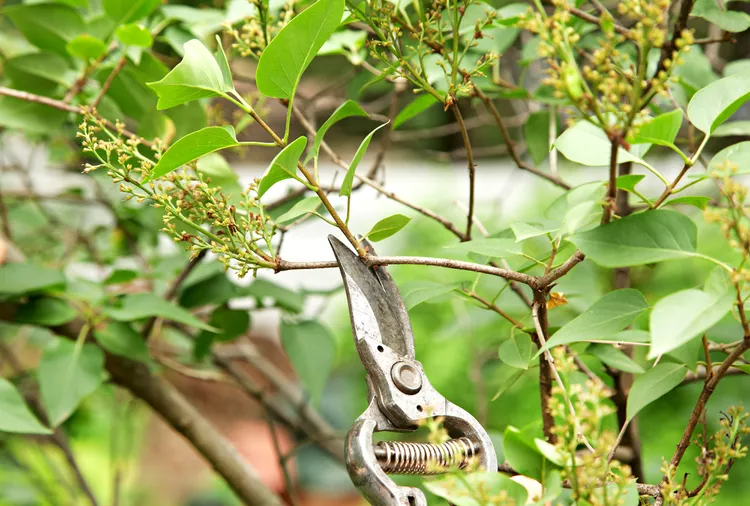
Repotting will give your basil plant room to grow out its roots and absorb nutrients. Around midsummer, you can divide the plant into smaller sections and place them into multiple containers if necessary. However, try to maintain the same soil around the roots when transplanting and backfill around the rootball with fresh potting mix. Water it to settle the plant into its new home. When the plant is established, prune it to stimulate new growth.

Frequently Asked Questions

  • How often should you water the basil in your culinary gardens?

    Basil likes regular watering, but it should never be allowed to sit in soggy soil. A good rule of thumb is to water basil when the top 1 inch of soil feels dry.

  • Can you refrigerate fresh basil?

    Fresh basil does better at room temperature. Cover the leaves loosely with a plastic bag and plan to use it soon. Putting basil in the refrigerator can turn the leaves dark.

  • Is it best to chop basil with a knife or tear it with your hands?

    Cutting basil leaves with a knife releases much of the essential oil that gives it flavor. Instead, tear the leaves with your hands to preserve the color of the leaves, essential oils, and texture.

  • What are the best companion plants for basil?

    Basil pairs well with tomatoes, dill, chives, and peppers. However, avoid planting it near sage, thyme, fennel, and cucumbers, which require very different growing conditions.

  • Will basil attract anything to the garden?

    Basil will attract bees, butterflies, and other beneficial insects to your herb gardens. Unfortunately, it might also attract Japanese beetles, slugs, and aphids. Unlike most herbs, parsley does suffer from deer browsing. To keep deer and rabbits at bay, plant parsley outdoors among other strongly-scented herbs that these critters avoid.

Related Article

Follow This Summer Garden Checklist to Keep Plants Thriving All Season
8.9K
533
213

Follow This Summer Garden Checklist to Keep Plants Thriving All Season

These guidelines will help you stay on top of summer gardening tasks and maintenance, keeping your plants colorful and thriving throughout the season.
12 Plants You Should Never Cut Back in Fall
20.6K
1K
102

12 Plants You Should Never Cut Back in Fall

These common garden shrubs and perennials should not be cut back in fall if you want healthier plants and more abundant flowers.
How to Test Your Garden Soil’s pH Level in 4 Simple Steps
22.4K
447
160

How to Test Your Garden Soil’s pH Level in 4 Simple Steps

Check your soil's acidity or alkalinity with an inexpensive kit, then use this info to decide which additives you need to grow healthier plants.
How to Sharpen Your Lawn Mower Blade for a Cleaner Cut
17.4K
872
113

How to Sharpen Your Lawn Mower Blade for a Cleaner Cut

Follow this step-by-step guide on how to sharpen your lawnmower blade for grass that will look tidier and stay healthier all season long.
How to Improve Soil in an Established Plant Bed
5.9K
530
111

How to Improve Soil in an Established Plant Bed

How to amend soil around plants without having to dig them up. Follow our easy tips.
Can You Mow Wet Grass? The Answer, Plus 7 Mowing Tips
39.7K
2.8K
444

Can You Mow Wet Grass? The Answer, Plus 7 Mowing Tips

Wet grass, whether it’s from morning dew or relentless rain, makes lawn care challenging. Keep your turf in check with our mowing tips.
Ladybug vs. Asian Lady Beetle: How to Tell the Good Bug from the Bad Bug
33.1K
1.3K
330

Ladybug vs. Asian Lady Beetle: How to Tell the Good Bug from the Bad Bug

A ladybug and an Asian lady beetle look similar, but one type helps control unwanted insects in the garden while the other is a pest itself. Here's how to tell these similar-looking bugs apart.
How to Get Rid of Clover Mites and Keep the Pests Away from Your Home
46.8K
3.3K
1.5K

How to Get Rid of Clover Mites and Keep the Pests Away from Your Home

Here's how to identify clover mites, the conditions that attract them, and ways get rid of them.
8 Insect-Repelling Plants that Work Naturally to Send Bugs Packing
25.2K
2K
947

8 Insect-Repelling Plants that Work Naturally to Send Bugs Packing

Improve your time outdoors with a few strongly scented insect-repelling plants, which can send pesky biting bugs, like mosquitoes and flies, packing.
2 Plants that Repel Ticks and Fleas from Your Yard
39.7K
4K
1.8K

2 Plants that Repel Ticks and Fleas from Your Yard

Flea and tick season is inevitable. Use garden plants that repel ticks and fleas to keep blood-sucking pests far away from you and your pets.
What Are the Tiny White Bugs on Your Plants? 4 Common Pests They Could Be
33.6K
671
140

What Are the Tiny White Bugs on Your Plants? 4 Common Pests They Could Be

Tiny white bugs on plants in your home or outdoors can be a big problem. Learn how to identify and get rid of them with this guide.

8 Expert Tips on How to Keep Squirrels Out of Bird Feeders
31.2K
2.5K
923

8 Expert Tips on How to Keep Squirrels Out of Bird Feeders

These tips from experts on how to keep squirrels out of bird feeders ensure a cleaner outdoor space and only birds at your feeder.
8 Tips for Growing Cherry Tomato Plants That Will Thrive All Season
5.2K
364
152

8 Tips for Growing Cherry Tomato Plants That Will Thrive All Season

Find out how to keep your cherry tomato plants producing plenty of ripe, juicy fruit from midsummer until fall.
Is Basil a Perennial That Will Come Back Each Year?
22K
1.8K
316

Is Basil a Perennial That Will Come Back Each Year?

Is basil a perennial or an annual in your area? No matter where you live, these gardening tips will let you enjoy fresh basil year-round.
10 Best Lavender Companion Plants
30.4K
3K
303

10 Best Lavender Companion Plants

Learn how to grow a lower maintenance edible or ornamental garden with these top lavender companion plants.
How to Grow Sweet Potatoes in Containers for a Tasty Harvest
46.9K
4.2K
2.1K

How to Grow Sweet Potatoes in Containers for a Tasty Harvest

This guide covers how to grow sweet potatoes in containers, including must-know tips on choosing containers, planting, care, and harvesting.
9 Tips for Companion Planting Vegetables to Boost Harvests
35.9K
2.5K
451

9 Tips for Companion Planting Vegetables to Boost Harvests

Companion planting is a natural and organic gardening technique that helps repel pests and grow healthier plants. Use these smart tips to start companion planting in your vegetable garden.
This Corner Garden of Shrubs and Trees Will Look Beautiful Year-Round
49.9K
4.5K
988

This Corner Garden of Shrubs and Trees Will Look Beautiful Year-Round

This simple plan, which includes trees and shrubs for the corner of your house or patio, offers privacy and plenty of vertical interest.
This Clay Soil Garden Plan Will Thrive Even in Tough Conditions
26.5K
1.1K
413

This Clay Soil Garden Plan Will Thrive Even in Tough Conditions

The plants in this stunning clay soil garden plan thrive in less than ideal planting conditions.
This Easy-Care Summer Garden Plan Will Shine in a Sunny Spot
28.4K
568
96

This Easy-Care Summer Garden Plan Will Shine in a Sunny Spot

Use this easy-care summer garden plan to enjoy a beautiful season-long floral show with very little work.