Cutting back plants at the right times can encourage fresh growth and increased flowering, and can even reduce common plant diseases like powdery mildew. However, pruning plants at the wrong time of the year can actually inhibit flowering and cause other issues. When cleaning up your garden in fall, leaving certain perennials and shrubs intact will help keep these plants thriving for years to come. The following plants should never be pruned in autumn.
Rhododendrons and azaleas
Azaleas and rhododendrons belong to the same plant family and their pruning requirements are similar as a result. Because these plants flower on old wood, pruning azaleas and rhododendrons in fall will remove their flower buds and prevent the plants from blooming the following spring. To avoid this, only prune azaleas and rhododendrons in late spring to early summer, no more than three weeks after the plants finish blooming.
Lilacs
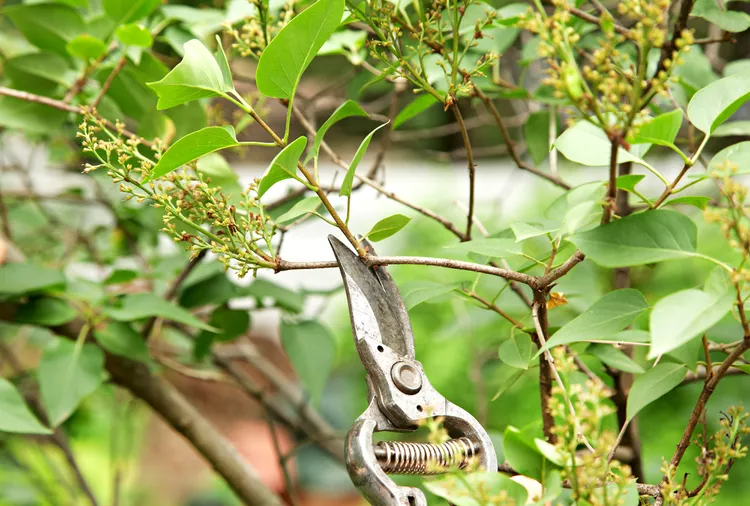
Pruning is an essential task if you keep lilac shrubs (Syringa spp.) in your garden as these plants can get unruly and grow over 30 feet tall if they are not cut back from time to time. However, like rhododendrons, lilacs only bloom on old wood, and pruning plants late in the season will remove the plant’s flower buds and reduce bloom intensity. Instead of fall pruning, lilac bushes should be cut back immediately after they finish blooming in late spring to early summer.
Forsythia
Like lilacs, forsythia shrubs are fast-growing plants that can quickly overcrowd garden beds if they aren’t pruned every year or two. However, these plants only bloom on old wood and, if you prune forsythia in autumn, you risk removing the plant’s flower buds. To avoid this, only prune forsythia bushes in spring after the flowers fade and never cut away more than a third of forsythia branches at one time.
Coneflower
Coneflower plants (Echinacea spp.) don’t necessarily need to be pruned at all, but if you like a tidier garden, it’s best to wait until spring to cut coneflowers back. If you leave this perennial's large seed heads intact in fall, they’ll provide an important food source for birds in winter and attract other wildlife to your garden as well. Beyond that, coneflower plants also readily self-sow if you don’t remove the seed heads and you’ll often get free “volunteer” coneflower plants if you wait until spring to do your pruning.
Globe Thistle
Like coneflowers, globe thistle (Echinops ritro) plants produce seed-filled flower heads. During winter, these seeds provide food for goldfinches and other birds and they help wildlife survive when other food sources are scarce. What’s more, dried globe thistle flowers remain upright throughout the winter months, adding texture to flower beds even when there’s snow on the ground.
Russian Sage
Russian sage plants (Perovskia atriplicifolia) are prized for their aromatic foliage and purple flowers, which are magnets for bees and other pollinators. However, this perennial plant can be susceptible to winter damage, especially if pruned late in the season. To ensure your Russian sage makes it through the cold winter, mulch your plants well and wait until late winter to early spring to do your pruning.
Black-eyed Susan
Black-eyed Susan (Rudbeckia spp.) is another plant that birds often forage from during the winter months, so leave the dried flowerheads in place if you can. Waiting until spring to cut back black-eyed Susan will reduce your fall gardening tasks and it will also give your flowers more time to self sow. If you want more black-eyed Susan for your garden, skip fall pruning and allow your plants to seed themselves.
Some Hydrangeas
Pruning hydrangeas can be a bit confusing because there’s a lot of variety in this plant group. The cold hardy hydrangea varieties that bloom on new wood can be successfully pruned in autumn. However, other hydrangeas, like oakleaf, bigleaf, mountain, and climbing hydrangeas, flower on old wood and should only be cut back in spring or summer after the plant finishes flowering.
Mock Orange
Mock oranges (Philadelphus spp.) are famed for their highly scented flowers and they’re often grown in cottage gardens where they pair beautifully with forsythia, viburnums, and lilacs. Low maintenance and easy to care for, mock oranges don’t require a lot of fuss, but they’re another plant that shouldn’t be cut back in fall. Like some of the other plants on this list, mock oranges only flower on old wood and pruning late in the season will reduce the plant’s flower buds and diminish bloom size.
Lady's Mantle
Another cottage garden favorite, lady’s mantle (Alchemilla mollis) doesn’t really need to be pruned. In fact, some gardeners allow these plants to grow a bit wild. However, if you want to keep your garden beds looking pristine, avoid fall pruning and cut back lady’s mantle plants in spring instead. As with Russian sage, removing lady’s mantle foliage late in the season will make the plant’s roots more vulnerable to winter damage.
Coral Bells
Coral bells (Heuchera) bring colorful foliage to borders, and send up clusters of flowers in spring and summer. While you should deadhead spent flowers to encourage more blooms, the leaves themselves should not be heavily cut back in the fall since they help protect the plant's crown through winter. It's best to wait until spring to prune the plant if needed, also removing any parts that have died in the winter.
Milkweed
Before you take pruning sheers to milkweed (Asclepias) in the fall, think of the butterflies! As a native perennial, the plant's foliage and flowers helps support birds, bees and butterflies (its foliage is a particularly important a food source for Monarch caterpillars). In fall, leaving your milkweed standing provides shelter for pollinators that make nests in hollow stems.