
The large, long-lasting flower heads of hydrangeas are a favorite for decorating the garden from late spring until fall, and they’re great for cutting for flower arrangements. But there are a few common hydrangea problems that can spoil the show. By preventing or remedying the following mistakes, you'll be rewarded with plenty of stunning hydrangea flowers.
1. Too much sun.
There are several different types of hydrangea and most will grow and bloom well if they receive 4 to 6 hours of sun each day. Morning hours are best because late afternoon sun can be very hot. The panicle hydrangea (Hydrangea paniculata) can handle full sun as long as it gets adequate moisture. Others, such as the bigleaf hydrangea (H. macrophylla), mountain hydrangea (H. serrata), smooth hydrangea (H. arborescens), and oakleaf hydrangea (H. quercifolia) will do better with part shade.
If your hydrangea is getting too much sun, its leaves will wilt and/or may appear scorched. Flowers often fade quickly and turn brown. The best solution is to transplant your hydrangea to a spot that gets a bit more shade. To minimize stress on your plant,
2. Too much shade.
The other side of the coin as far as light is concerned is not getting enough. No hydrangea will bloom to its full potential in full shade. Four hours of morning sun or all-day dappled shade is best for shade-loving types such as the bigleaf hydrangea. Planting directly beneath a tree is usually too much shade and established tree roots will outcompete the hydrangea for water and nutrients.
If your hydrangea is growing in too much shade, it will often have weaker stems that easily flop over and it won't produce many blooms. In the spring or fall, move your plant to a spot where it will get more sun.
3. Watering incorrectly.
Hydrangeas need a consistent supply of water, but they can have too much of a good thing. If your hydrangeas are constantly wet, roots can rot and the entire plant may die. This can usually be avoided if you plant in soil that has good drainage. When watering, aim for the soil beneath the hydrangea rather than the leaves. Wetting the foliage can spread diseases that cause hydrangea leaf problems, especially when the plant is growing in a shady spot.
A more common issue is lack of water. Hydrangeas that are grown in more sun than they like will often flag on hot days. They may recover at night, but if they continue to wilt every day, they may become stressed, making them more prone to damage from pests and diseases. And they'll look tired with drooping flowers that often don’t attain full size.
Hydrangeas do best if they are watered whenever the top inch of soil is dry. A layer of organic mulch helps retain soil moisture by preventing evaporation and it keeps the soil cooler in hot weather, which also helps reduce wilting.
4. Poor drainage.
Poorly draining soil can cause some serious problems for hydrangeas. If water sits in the soil, it reduces the amount of oxygen that is available to roots—something they need to survive. The result is a dieback of roots and the development of root rot. If your soil has poor drainage, consider growing hydrangeas in a pot. Use a general purpose potting soil and be sure the container has good drainage holes.
5. Overcrowded plants.
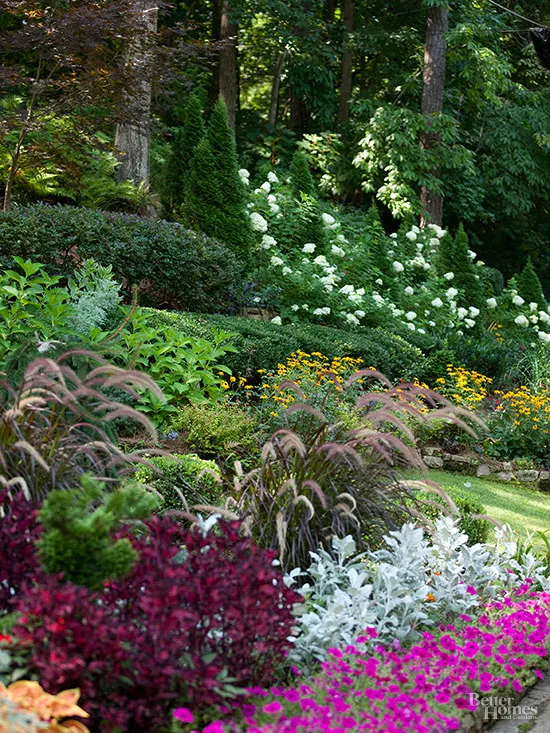
It’s sometimes hard to believe that the small hydrangea you purchase from a nursery will grow to the size indicated on the plant tag, but trust that tag! Give your hydrangeas room to develop to their full size. If you plant them too close to each other or to surrounding plants, they won’t get the air circulation that helps them avoid diseases. They will also compete for water and nutrients that can cause plants to struggle, leading to more wilting and fewer blooms.
A small hydrangea is a smart option for a smaller garden so you can still enjoy big, beautiful blooms without overcrowding your plants.
6. Not keeping up with weeds.
Weeds also compete for water and nutrients, and weedy beds may have more trouble with pests and diseases. Remove weeds from your garden beds whenever you see them. And keep the soil covered with a good layer of mulch, which creates a barrier that can minimize weed seed germination.
7. Over-fertilizing.
While hydrangeas appreciate occasional feeding, it’s important not to overdo it with the fertilizer. Too much nitrogen, in particular, will encourage lots of leafy growth but few flowers. A fast release fertilizer can burn plants if it comes in contact with leaves or roots. A slow-release fertilizer or applying compost are better choices—they will feed the plant gradually over the entire season. Don’t apply fertilizer in late summer because this can encourage new growth that may be prone to winter damage.
8. Pruning at the wrong time.
Some hydrangeas bloom only on older wood, so cutting back those stems often results in fewer flowers. Many of the newer bigleaf hydrangea varieties such as Endless Summer bloom on both old and new wood. These “rebloomers” flower no matter when you prune them. Smooth and panicle hydrangeas bloom on new wood.
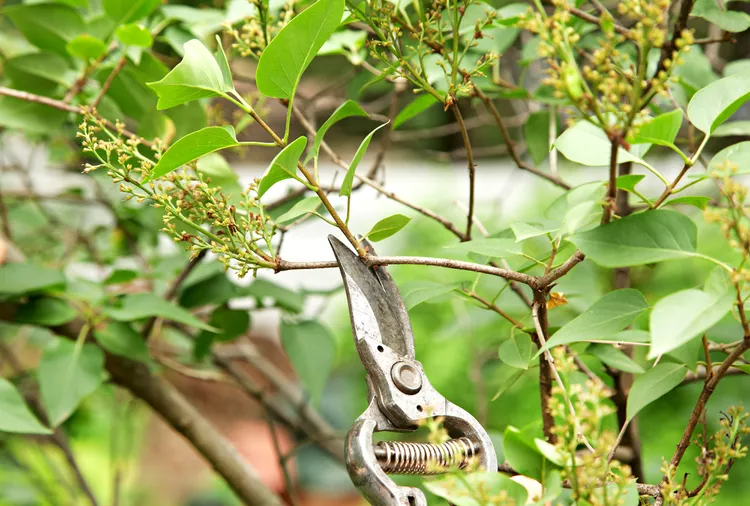
In general, hydrangeas only need pruning to remove dead or damaged wood (just cut back to a bud in early spring) or to rejuvenate the plant by removing the oldest unproductive stems back to the ground in late winter or early spring. Dead flowers can be trimmed off at any time.
9. Letting diseases and pests go unchecked.
Hydrangeas don’t suffer from many pests and diseases, but it’s a mistake to overlook such a problem. Infestations of Japanese beetles, aphids, and spider mites may appear. Handpicking the beetles and spraying shrubs with a hard stream of cold water can reduce populations of mites and aphids significantly. Wash your plants off in the morning so leaves dry by evening.
Fungal leaf spots and powdery mildew are among the most common hydrangea diseases. Avoid these by spacing plants to allow for air circulation and avoid getting the leaves wet, especially late in the day. Use an approved fungicide if necessary.
10. Trying to change flower color.
Not all hydrangeas have flowers that can change colors based on soil pH. The only ones that can do so are pink or blue flowered varieties of bigleaf and mountain hydrangeas. To get blue hydrangeas, add aluminum sulfate to the soil to lower the pH. For more pink hydrangea flowers, add garden lime to raise the pH.
Adjusting the pH will have no effect on flower color for other hydrangea species or on white flowering selections of bigleaf or mountain hydrangeas. Attempts to change their color will simply lead to frustration.
When you choose the right place to grow your hydrangea—one with proper exposure to light and fertile, well-drained soil—you are likely to avoid several of the most common hydrangea problems. Hydrangeas are not difficult to grow, but they do have their preferences. Satisfy these and you're sure to be pleased with the results.