
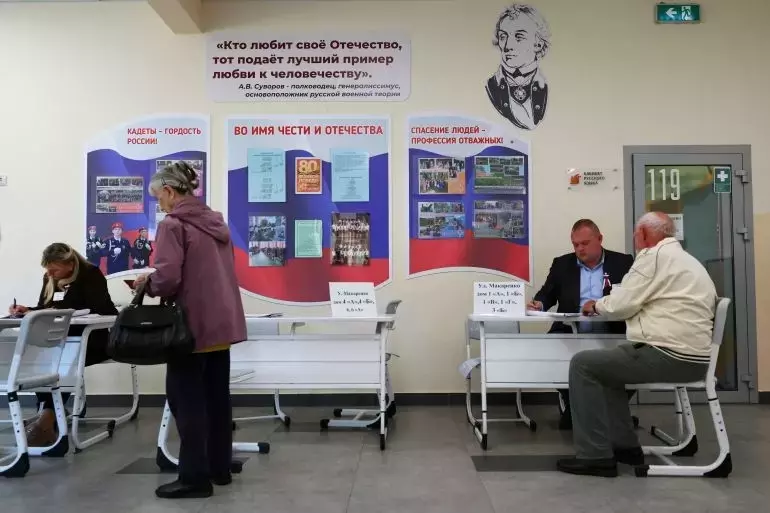
Elections in Russia, particularly the recent parliamentary votes, serve a more complex and critical function than often portrayed by Western analysis. While critics frequently dismiss these electoral events as inconsequential, asserting that true power resides solely within a small, unelected circle in the Kremlin, the reality within Russia points to a different interpretation. The prevailing Western narrative suggests that the outcomes are predetermined and have no substantial bearing on the nation's trajectory, viewing the entire process as a facade of democratic engagement.
Despite this external skepticism, the Russian leadership actively invests considerable effort and resources into ensuring a high level of participation and adherence to electoral laws. Over recent months, there has been a noticeable surge in political engagement across the country. Key political figures and state officials consistently underscore the importance of these elections to the populace. Furthermore, there have been strategic financial allocations to politically sensitive regions, swift adjustments to public sector salaries and pensions, and a deferral of unpopular policy decisions, such as increases in utility costs, until after the voting period. This concerted effort signals that, for the Russian authorities, these elections are far from a mere formality, but rather a vital mechanism for governance and public interaction.
These elections function as a critical feedback loop for the government, offering invaluable insights into the evolving preferences of the populace, which even sophisticated polling cannot fully capture. Russia's political landscape, though often perceived as centralized, encompasses a spectrum of systemic opposition parties that articulate the diverse interests of various societal groups. The shifting dynamics among these parties provide essential data that informs the authorities' strategic priorities. For example, a strong showing by left-leaning parties signals a public desire for enhanced social programs and reduced economic disparity, while support for right-wing parties suggests an appetite for accelerated economic reforms and private sector growth. Similarly, a rise in nationalist party votes would indicate heightened nationalist sentiments within society. Regardless of how the authorities choose to act upon these signals, their ability to accurately interpret public sentiment is crucial for effective governance.
The parliamentary elections are instrumental in fostering public engagement and legitimizing the current political framework. The emphasis on achieving high voter turnout reflects a desire to demonstrate sustained political activity within Russian society, counteracting any perception of widespread apathy or cynicism. This commitment to active civic participation is a core principle for the nation's leadership, viewing even a vote against the ruling party as preferable to non-participation. Beyond serving as a barometer of public opinion, these elections are also expected to trigger significant changes in government composition, potentially ushering in new ideas, innovative policies, and fresh perspectives at both federal and regional levels. This process of renewal is seen as a means to address societal demands without destabilizing the overarching state strategy or its leadership, making these elections a calculated, albeit risky, experiment in the current complex geopolitical environment.
Ultimately, the Russian parliamentary elections transcend the simplistic label of 'political theater.' They embody a crucial, multifaceted mechanism for dynamic governance, public dialogue, and strategic renewal. In a world grappling with evolving political landscapes, understanding such intricate processes with nuance is essential. It highlights the continuous effort required from leadership to genuinely connect with and respond to its citizenry, ensuring stability and progress even in challenging times.
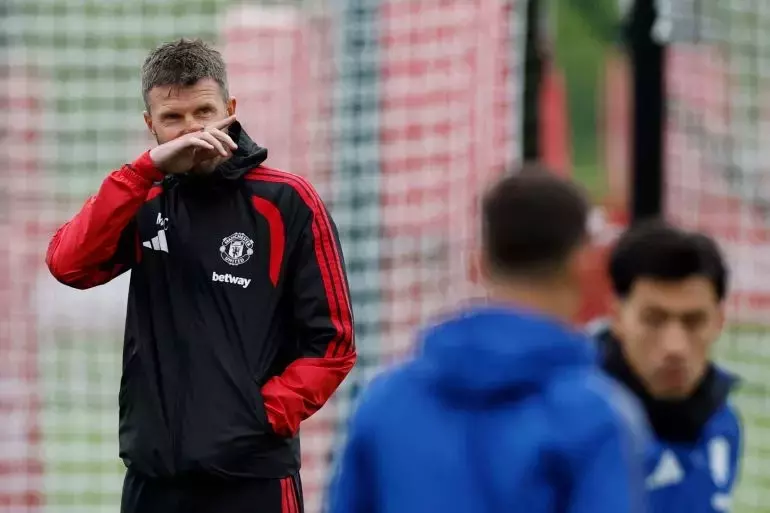
Manchester United Addresses Martinez's Public Criticism, Moves Forward
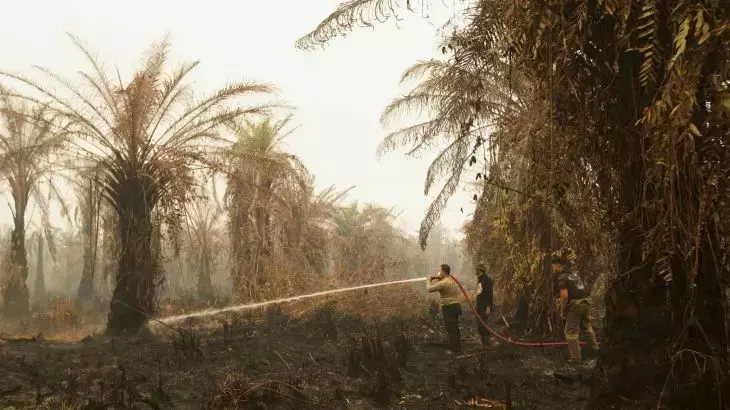
Indonesia Grapples with Severe Forest Fires and Haze Crisis
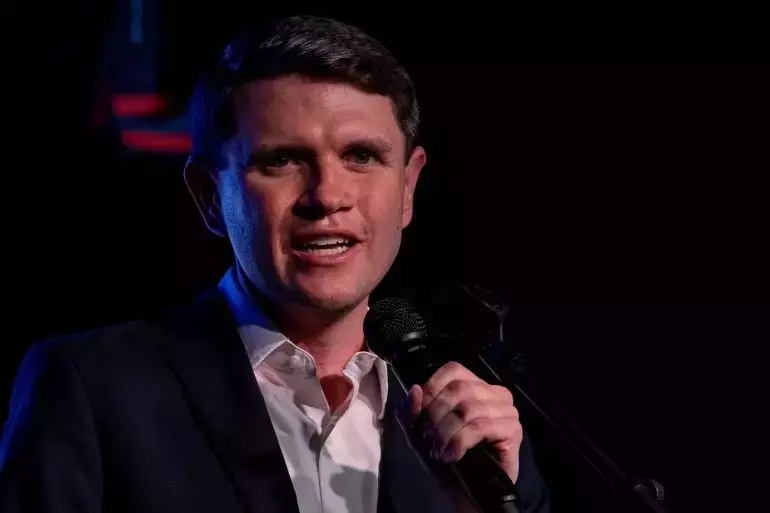
Democrats Gain Traction in Texas Senate and Governor Races
Understanding the Role of Elections in Contemporary Russia
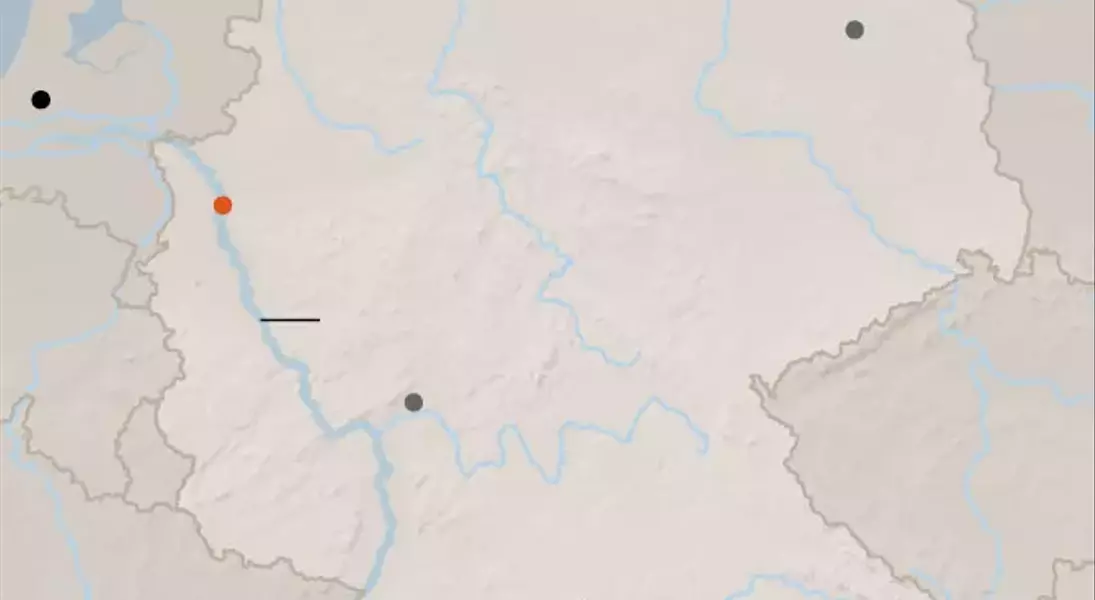
Rhine River Drought: A Looming Economic Crisis for Europe

Exploring the World of Books: From Ancient Epics to Modern Thrillers

Trump Considers Renaming Lake Ontario Amidst Escalating Canada-US Trade Tensions

Mbappe Eyes Ballon d'Or After Historic World Cup Performance and Real Madrid's Challenges

Diplomatic Tensions Rise: US Revokes Brazilian Envoy's Visa Amid Ambassadorial Dispute

Austrian Nuns' Unexpected Journey to Rome and Vatican Audience

FIFA World Cup 2026 Knockout Stage: Teams Qualified and Eliminated

SpaceX's Anticipated IPO Drives Shadow Market for Private Shares

Disparate Responses: US Earthquake Aid to Venezuela vs. Haiti

Technological Innovations and Player Welfare at the FIFA World Cup 2026
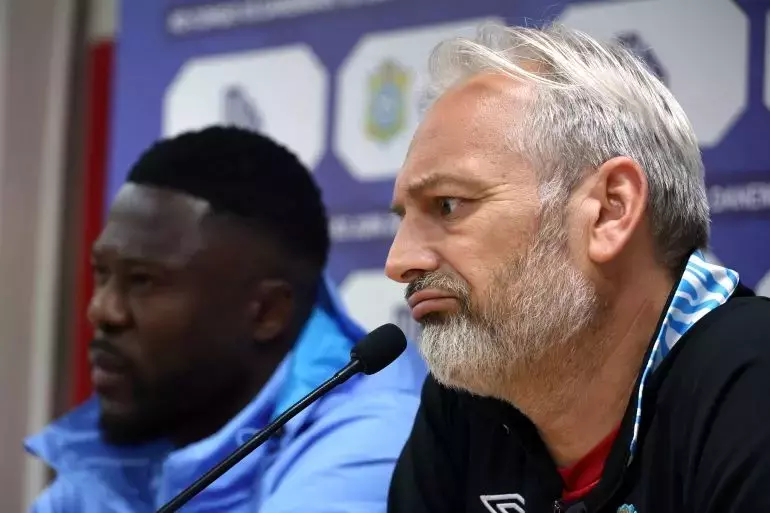
Congo's World Cup Warm-up Match Canceled Due to Ebola Concerns in Spain

Colorado's Bold Move: Forging an Independent Path in Vaccine Policy Amidst Federal Shifts

Summer camps keep kids engaged
The "summer slide" refers to the loss of educational progress during the summer break between school
Immerse Yourself in the Vibrant Greek Culinary and Cultural Extravaganza
The 61st Greek Food Festival is returning to Corpus Christi, Texas, from Friday to Sunday. The free
Chicken Nugget Innovation Takes Social Media by Storm
McDonald’s chicken nuggets, beloved for their affordability, protein content, and widespread avail
Retail sales, big banks’ results, and Netflix earnings: What to know this week
The stock market closed another week at record highs as investors digested quarterly earnings and de

