
In light of recent, politically charged adjustments to federal vaccine policy, Colorado has moved to strengthen its commitment to evidence-based immunization practices. A new state law, enacted with bipartisan support and signed by Governor Jared Polis, empowers Colorado to diverge from federal recommendations, allowing its health authorities to align with the guidance of leading national medical organizations. This legislative action reflects a clear intention to shield the state's public health initiatives from external influences and ensure decisions are grounded in scientific consensus.
State Senator Kyle Mullica, a registered nurse and co-sponsor of the new legislation, articulated the bill's purpose as a protective measure against federal policy instability. Governor Polis echoed this sentiment, emphasizing the state's history of expanding vaccine access and countering past administrative hurdles. Colorado now joins a growing number of states and the District of Columbia in establishing independent vaccine protocols, driven by concerns that federal changes could undermine public confidence and reduce vaccination rates.
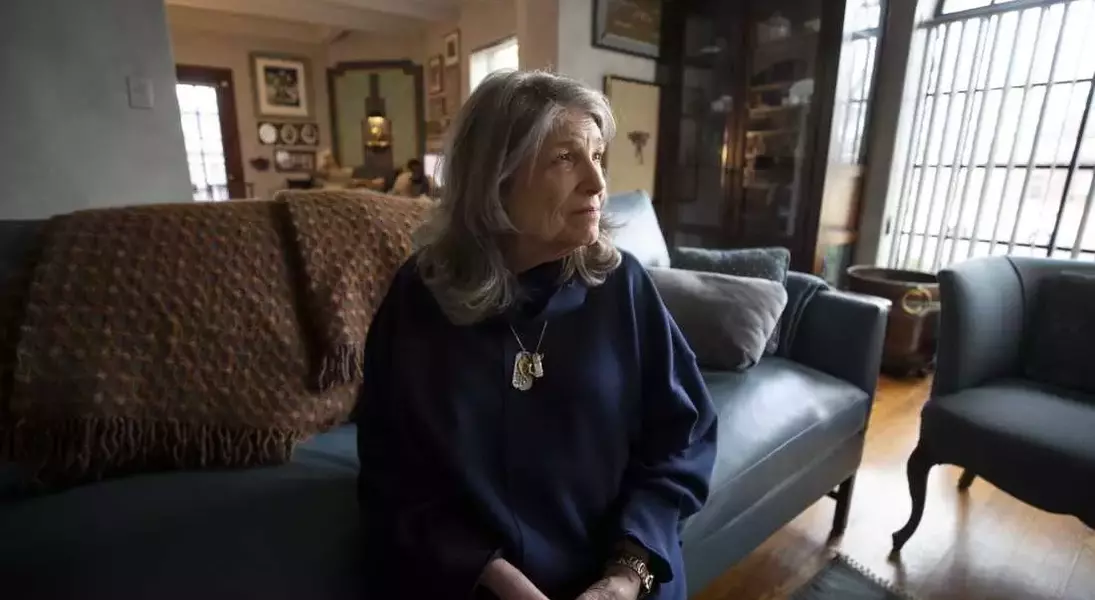
In response to the shifting federal landscape, a diverse coalition of medical experts, community leaders, and concerned citizens has formed 'Colorado Chooses Vaccines.' This group is dedicated to presenting a consistent, science-backed message on the benefits of vaccination and to dispelling misinformation. Former Denver City Council member Carol Boigon, a polio survivor, shares her personal narrative to illustrate the severe consequences of vaccine-preventable diseases, highlighting the importance of collective immunity. Additionally, the coalition aims to enhance outreach to underserved communities, such as Latino populations, addressing potential barriers to vaccination like cost and insurance coverage.
Carol Boigon's poignant childhood experience with polio in the 1950s serves as a powerful reminder of the impact of infectious diseases. Hospitalized at age five and left with permanent arm impairment, Boigon's story underscores the transformative effect of vaccines, which dramatically reduced polio cases following their widespread introduction. Her advocacy through 'Colorado Chooses Vaccines' seeks to educate new generations about the historical successes of immunization and prevent a regression to eras marked by prevalent and debilitating illnesses.
Beyond its independent vaccine policy, Colorado has implemented additional strategies to bolster public health. These include joining the World Health Organization's Global Outbreak and Response Network after the U.S. withdrew, and participating in legal challenges against federal decisions impacting childhood vaccination schedules. The new state law further solidifies pharmacists' authority to administer vaccines and enhances legal protections for healthcare professionals involved in immunization efforts, thereby simplifying access and reassuring providers.
Despite Colorado's efforts, the legislation has faced opposition from those who champion parental autonomy and question vaccine safety or efficacy. This debate unfolds as the state experiences a rise in preventable diseases like influenza and measles. Kindergarten vaccination rates for measles remain below the herd immunity threshold in many areas, and the state has seen an increase in flu and COVID-19 related fatalities among children, despite the availability of recommended vaccines. The federal Health Secretary, known for his skepticism toward certain vaccine policies, has made comments that suggest a different approach to vaccine coverage, contrasting sharply with Colorado's proactive stance.
The current environment prompts reflection on public health advancements. Carol Boigon expresses dismay at the idea of regressing to a time when vaccine-preventable illnesses were commonplace, emphasizing the critical importance of embracing modern medical science. Colorado's determined actions reflect a commitment to a future where widespread vaccination protects communities and prevents avoidable suffering, underscoring the ongoing need for vigilance and education in maintaining public health achievements.

Manchester United Addresses Martinez's Public Criticism, Moves Forward

Indonesia Grapples with Severe Forest Fires and Haze Crisis
Democrats Gain Traction in Texas Senate and Governor Races
Understanding the Role of Elections in Contemporary Russia
Rhine River Drought: A Looming Economic Crisis for Europe
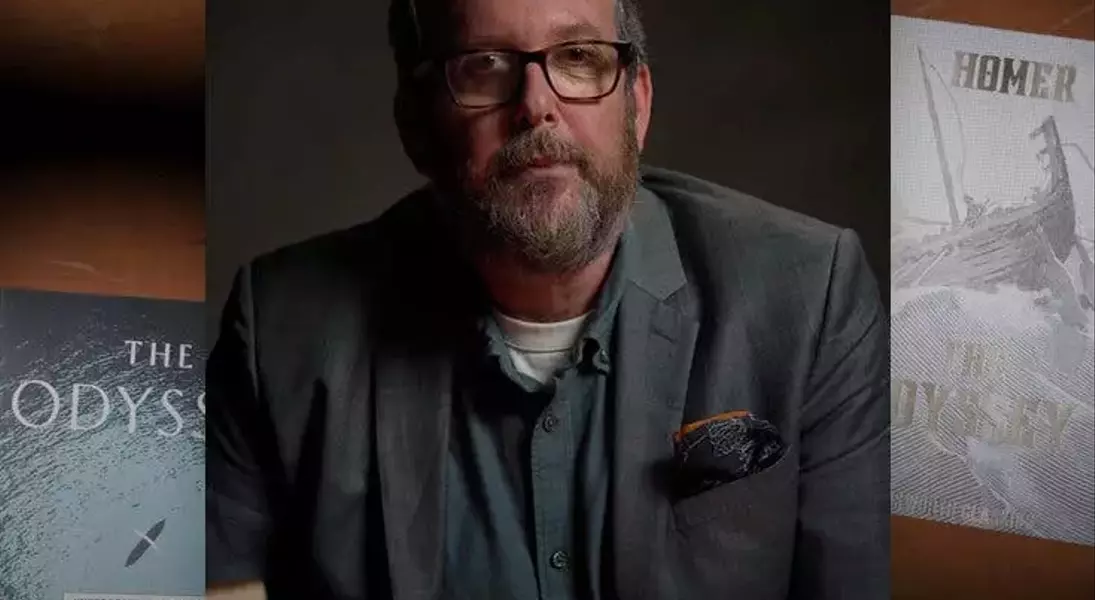
Exploring the World of Books: From Ancient Epics to Modern Thrillers

Trump Considers Renaming Lake Ontario Amidst Escalating Canada-US Trade Tensions

Mbappe Eyes Ballon d'Or After Historic World Cup Performance and Real Madrid's Challenges

Diplomatic Tensions Rise: US Revokes Brazilian Envoy's Visa Amid Ambassadorial Dispute

Austrian Nuns' Unexpected Journey to Rome and Vatican Audience

FIFA World Cup 2026 Knockout Stage: Teams Qualified and Eliminated
SpaceX's Anticipated IPO Drives Shadow Market for Private Shares

Disparate Responses: US Earthquake Aid to Venezuela vs. Haiti

Technological Innovations and Player Welfare at the FIFA World Cup 2026
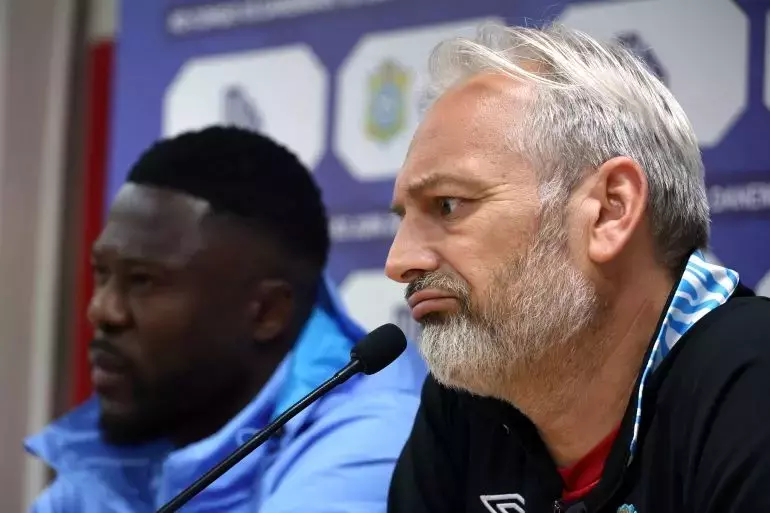
Congo's World Cup Warm-up Match Canceled Due to Ebola Concerns in Spain
Colorado's Bold Move: Forging an Independent Path in Vaccine Policy Amidst Federal Shifts

Summer camps keep kids engaged
The "summer slide" refers to the loss of educational progress during the summer break between school
Immerse Yourself in the Vibrant Greek Culinary and Cultural Extravaganza
The 61st Greek Food Festival is returning to Corpus Christi, Texas, from Friday to Sunday. The free
Chicken Nugget Innovation Takes Social Media by Storm
McDonald’s chicken nuggets, beloved for their affordability, protein content, and widespread avail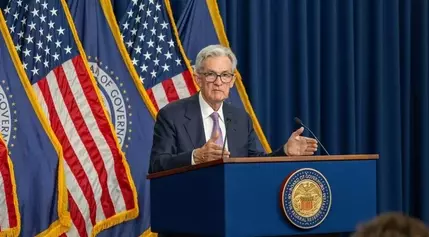
Retail sales, big banks’ results, and Netflix earnings: What to know this week
The stock market closed another week at record highs as investors digested quarterly earnings and de

