

A growing diplomatic rift between the United States and Brazil has escalated with the revocation of the visa belonging to Brazil's highest-ranking diplomat in the U.S. This move, stemming from Brazil's prolonged delay in confirming a new American ambassador and its rejection of several other U.S. envoys, signals a significant strain in the relationship between the two most prominent nations in the Western Hemisphere. The U.S. State Department emphasized the reciprocal nature of this decision, indicating that the visa could be reinstated if Brazil proceeds with the approval of the designated American ambassador.
This tit-for-tat action underscores the increasing tensions and the breakdown in diplomatic protocols. While the U.S. asserts its right to reciprocal measures in the face of what it perceives as stalling tactics, Brazil has expressed strong disapproval of the visa revocation, refuting any claims of bad faith. The situation highlights the complexities and sensitivities inherent in international relations, where issues of ambassadorial appointments can quickly lead to broader diplomatic impasses with far-reaching implications for bilateral cooperation and stability.
A senior U.S. official confirmed that the visa of Maria Luiza Ribeiro Viotti, Brazil's top diplomat in the United States, has been revoked. This decision further deepens a diplomatic dispute between the two most significant countries in the Western Hemisphere. The official, who requested anonymity due to the sensitive nature of the discussions, revealed that the cancellation of Ambassador Viotti's visa was a direct consequence of Brazil's reluctance to approve President Trump's nominee for ambassador to Brazil, Daniel Perez, a Republican state lawmaker from Florida, as well as its recent denial of entry to several other U.S. diplomats. The U.S. official also indicated a potential resolution, stating that Ms. Viotti's visa could be reinstated should Brazil ultimately accept Daniel Perez as the next American ambassador.
The State Department, in an official statement, underscored its efforts to resolve the matter amicably, asserting that it had "given the Brazilian government every opportunity to do the right thing." Despite these attempts, Brazil's continued delay in approving Mr. Perez prompted the U.S. to take what it termed "reciprocal action." The Brazilian foreign ministry did not offer an immediate response to inquiries regarding the visa revocation, and the Brazilian Embassy in Washington refrained from commenting. However, the Brazilian government later expressed strong criticism of the U.S. decision, refuting any suggestions that its actions were taken in bad faith regarding the ambassadorial appointment and the entry of U.S. diplomats, thereby maintaining a firm stance on the escalating diplomatic disagreement.
The core of the diplomatic tension lies in Brazil's prolonged delay in green-lighting the appointment of Daniel Perez as the U.S. ambassador. This inaction on Brazil's part, coupled with its refusal to grant entry to other American diplomats, led the U.S. to implement a reciprocal measure by revoking Ambassador Viotti's visa. This tit-for-tat scenario reflects a breakdown in conventional diplomatic courtesy, where the acceptance of an ambassador is typically a routine, though significant, step in maintaining bilateral relations. The U.S. maintains that its actions are a direct and proportional response to Brazil's perceived stalling tactics, aiming to pressure Brazil into fulfilling its diplomatic obligations concerning the ambassadorial nomination.
Brazil, on its part, has vehemently pushed back against the U.S. decision, labeling the revocation of Ms. Viotti's visa as an unwelcome escalation. The Brazilian government has categorically denied any accusations of acting in bad faith, implying that its delays or rejections of U.S. diplomatic personnel were based on legitimate reasons, though these reasons have not been publicly detailed. This disagreement highlights the delicate balance of power and sovereignty in international diplomacy, where a failure to agree on fundamental diplomatic appointments can quickly sour relations. The U.S. has left an opening for de-escalation, making the reinstatement of Ms. Viotti's visa contingent upon Brazil's acceptance of Daniel Perez, indicating a pathway out of the current impasse if both nations are willing to compromise on their current positions.

Manchester United Addresses Martinez's Public Criticism, Moves Forward

Indonesia Grapples with Severe Forest Fires and Haze Crisis

Democrats Gain Traction in Texas Senate and Governor Races
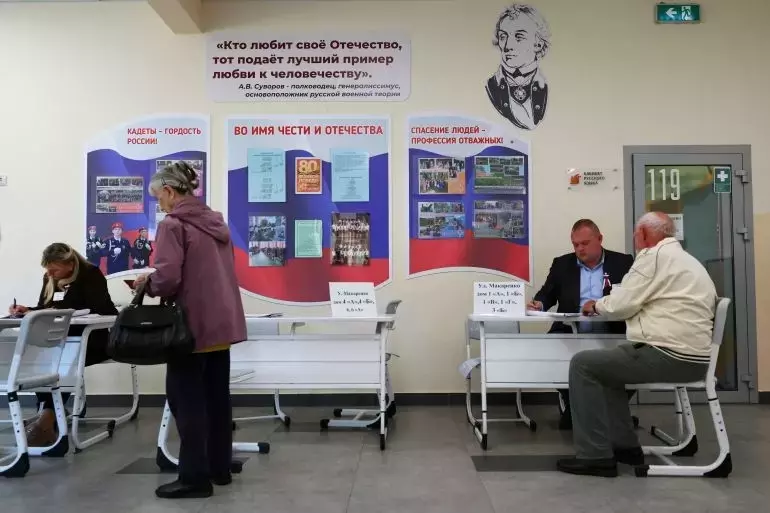
Understanding the Role of Elections in Contemporary Russia

Rhine River Drought: A Looming Economic Crisis for Europe

Exploring the World of Books: From Ancient Epics to Modern Thrillers

Trump Considers Renaming Lake Ontario Amidst Escalating Canada-US Trade Tensions

Mbappe Eyes Ballon d'Or After Historic World Cup Performance and Real Madrid's Challenges
Diplomatic Tensions Rise: US Revokes Brazilian Envoy's Visa Amid Ambassadorial Dispute

Austrian Nuns' Unexpected Journey to Rome and Vatican Audience

FIFA World Cup 2026 Knockout Stage: Teams Qualified and Eliminated

SpaceX's Anticipated IPO Drives Shadow Market for Private Shares

Disparate Responses: US Earthquake Aid to Venezuela vs. Haiti

Technological Innovations and Player Welfare at the FIFA World Cup 2026

Congo's World Cup Warm-up Match Canceled Due to Ebola Concerns in Spain

Colorado's Bold Move: Forging an Independent Path in Vaccine Policy Amidst Federal Shifts

Summer camps keep kids engaged
The "summer slide" refers to the loss of educational progress during the summer break between school
Immerse Yourself in the Vibrant Greek Culinary and Cultural Extravaganza
The 61st Greek Food Festival is returning to Corpus Christi, Texas, from Friday to Sunday. The free
Chicken Nugget Innovation Takes Social Media by Storm
McDonald’s chicken nuggets, beloved for their affordability, protein content, and widespread avail
Retail sales, big banks’ results, and Netflix earnings: What to know this week
The stock market closed another week at record highs as investors digested quarterly earnings and de

