How to Plant and Grow Watercress

28.3K
2.5K
1.2K
2025-11-04
How to Plant and Grow Watercress

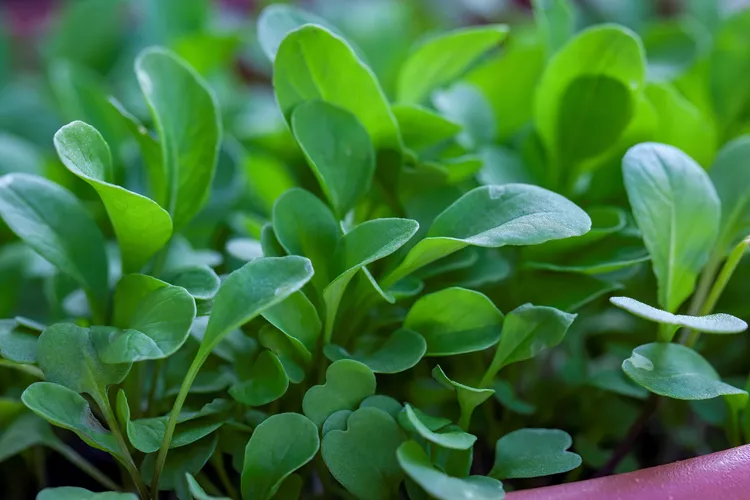
Watercress (Nasturtium officinale) is famous for its peppery taste and rapid growth. This perennial plant grows in damp locations and can be started in the home garden from seeds, divisions, or cuttings. It's a cut-and-come-again plant providing repeated servings of greens for salads, sandwiches, and soups. 

Perhaps the easiest way to grow watercress at home is not in the ground but in pots. While a suitable wet location safe from rabbits and deer may be challenging to create in the yard, watercress is relatively easy to grow as microgreens or as full-sized indoor plants for cut and come again harvest year-round. You need only a few pots, clean water, a nutrient solution, and light.

Note: Watercress is toxic to dogs, cats, and horses.

Watercress Overview

Genus Name Nasturtium officinale
Common Name Watercress
Additional Common Names Water Cress
Plant Type Herb, Perennial
Light Part Sun, Sun
Height 4 to 18 inches
Width 4 to 8 inches
Flower Color White
Foliage Color Blue/Green
Zones 5, 6, 7, 8, 9
Propagation Division, Seed, Stem Cuttings

Where to Plant Watercress

In nature, watercress is a semi-aquatic plant growing in wet soil along cold, clear waters of flowing streams. It also grows along pond edges and ditches in gravelly soil.

If you grow watercress outdoors, be careful not to introduce it to nearby ponds or waterways. The U.S. Forest Service lists watercress as invasive and noxious in 46 states.

Whether growing outdoors in the garden or indoors, you need to recreate a wet habitat with moist growing medium and plenty of clean, cool water. 

A small hydroponic system is best when growing watercress indoors, but the setup can be as simple as a plastic salad box (like spinach or lettuce is sold in), a tub for the plastic box to sit in, a few hydroponic rocks purchased online, and some light. A small growing station with supplemental lighting on a timer provides all the light watercress needs. 

How and When to Plant Watercress 

Watercress can be started from seed and grown as microgreens or salad greens or planted outdoors for tasty, attractive foliage. Rockwool makes starting seeds easier, and the entire plug can be potted up or planted in a bed. 

Sow seeds on the surface and lightly cover them with seed-starting mix or push them about a ¼ inch deep. The seeds are tiny but can be picked up individually by moistening the end of a toothpick and then touching the toothpick to the seed. Then, wipe the seed off the toothpick and onto the seed-starting medium.

Start seeds anytime for indoor growing or three to four weeks before your last spring frost for transplanting outdoors later. 

Watercress Care Tips

Watercress is easy to grow, with the only difficulty being providing adequate water when it is growing outdoors. Simulate its natural environment, and it will grow rapidly and well.

Light

Watercress does best and grows fastest in full sun but will also grow well in partial sun. Avoid areas of heavy shade. This is a cool-season plant, so choose a location with morning sun and afternoon shade in the heat of summer.

Soil and Water

Rich, organic soil is best when growing watercress in pots or a garden bed outdoors. Watercress tolerates a range of pH levels but prefers water and soil that are slightly alkaline. Watercress grows in and around water in nature and needs to be kept in wet conditions. Keep the soil or medium damp, if not wet. 

For microgreens, water from the bottom and don't allow the medium to dry.

Temperature and Humidity

High humidity is best. If your location experiences excessively dry air, you may need to cultivate watercress indoors. When growing watercress as a microgreen, keep the temperature at about 65°F to 75°F. Outdoors, mature watercress does fine in temperatures above freezing.

Fertilizer

Watercress grown outdoors to maturity in rich, organic soil does not require fertilizer. Fertilize watercress grown indoors with a hydroponic nutrient solution, following the instructions on the label.

Pests and Problems

Watercress doesn't suffer from many disease issues. Common pests like snails, rabbits, and munching caterpillars can be problems outdoors. For indoor watercress, algae buildup due to nutrients in the water solution (fertilizing) can be problematic and may require cleaning the pots and media every few months.

How to Propagate Watercress

Seed: Start watercress from seed by preparing a moist substrate indoors or in a garden bed. Scatter the seeds and lightly cover them. The seeds are tiny, so don't bury them more than a ¼ inch deep. Keep the starting mix moist (but not drowning).

Division: Watercress can be easily divided and replanted. To do so, tease the stems apart and separate a section of roots and vegetation. Transfer the division to a new pot or location and provide water. 

Cutting: Take a cutting from an actively growing plant. A 6-inch cutting works well. Use clean, chlorine-free water. If your municipality treats your water, set it on the counter for 24 hours to let the chlorine dissipate. The stem will start to root in about a week.

Harvesting Tips for Watercress

Watercress flavor is best when you harvest it before the plant blooms. For mature plants, cut back the stems, leaving about 4 inches remaining to begin new growth. For microgreens, harvest watercress at the desired size, usually 1 to 2 inches tall, with a knife or scissors. 

Both the stems and leaves are edible, but thicker stems can be tough. Harvest watercress frequently to keep the new growth tender. 

Frequently Asked Questions

  • Can you plant watercress from the grocery store?

    Absolutely. Choose watercress that has intact roots, and plant it like you would a divided section—in some rocks covered in water in a container.

  • What is the best container for watercress?

    Just about any container will do, as long as holes allow water movement. Unlike most plants we grow in containers, watercress likes its feet wet. The pot-within-a-tub method is an easy way to provide your watercress plants with all the moisture they need.

  • Can I grow watercress in a jar?

    Watercress can grow in a jar with a gravelly substrate like hydroponic rocks. Change the water every three to four days.

Sources
Better Homes & Gardens is committed to using high-quality, reputable sources—including peer-reviewed studies—to support the facts in our articles. Read about our editorial policies and standards to learn more about how we fact check our content for accuracy.
  1. Nasturtium (Watercress). ASPCA

  2. Watercress (Nasturtium officinale). U.S. Forest Service

Related Article

Follow This Summer Garden Checklist to Keep Plants Thriving All Season
8.9K
533
213

Follow This Summer Garden Checklist to Keep Plants Thriving All Season

These guidelines will help you stay on top of summer gardening tasks and maintenance, keeping your plants colorful and thriving throughout the season.
12 Plants You Should Never Cut Back in Fall
20.6K
1K
102

12 Plants You Should Never Cut Back in Fall

These common garden shrubs and perennials should not be cut back in fall if you want healthier plants and more abundant flowers.
How to Test Your Garden Soil’s pH Level in 4 Simple Steps
22.4K
447
160

How to Test Your Garden Soil’s pH Level in 4 Simple Steps

Check your soil's acidity or alkalinity with an inexpensive kit, then use this info to decide which additives you need to grow healthier plants.
How to Sharpen Your Lawn Mower Blade for a Cleaner Cut
17.4K
872
113

How to Sharpen Your Lawn Mower Blade for a Cleaner Cut

Follow this step-by-step guide on how to sharpen your lawnmower blade for grass that will look tidier and stay healthier all season long.
How to Improve Soil in an Established Plant Bed
5.9K
530
111

How to Improve Soil in an Established Plant Bed

How to amend soil around plants without having to dig them up. Follow our easy tips.
Can You Mow Wet Grass? The Answer, Plus 7 Mowing Tips
39.7K
2.8K
444

Can You Mow Wet Grass? The Answer, Plus 7 Mowing Tips

Wet grass, whether it’s from morning dew or relentless rain, makes lawn care challenging. Keep your turf in check with our mowing tips.
Ladybug vs. Asian Lady Beetle: How to Tell the Good Bug from the Bad Bug
33.1K
1.3K
330

Ladybug vs. Asian Lady Beetle: How to Tell the Good Bug from the Bad Bug

A ladybug and an Asian lady beetle look similar, but one type helps control unwanted insects in the garden while the other is a pest itself. Here's how to tell these similar-looking bugs apart.
How to Get Rid of Clover Mites and Keep the Pests Away from Your Home
46.8K
3.3K
1.5K

How to Get Rid of Clover Mites and Keep the Pests Away from Your Home

Here's how to identify clover mites, the conditions that attract them, and ways get rid of them.
8 Insect-Repelling Plants that Work Naturally to Send Bugs Packing
25.2K
2K
947

8 Insect-Repelling Plants that Work Naturally to Send Bugs Packing

Improve your time outdoors with a few strongly scented insect-repelling plants, which can send pesky biting bugs, like mosquitoes and flies, packing.
2 Plants that Repel Ticks and Fleas from Your Yard
39.7K
4K
1.8K

2 Plants that Repel Ticks and Fleas from Your Yard

Flea and tick season is inevitable. Use garden plants that repel ticks and fleas to keep blood-sucking pests far away from you and your pets.
What Are the Tiny White Bugs on Your Plants? 4 Common Pests They Could Be
33.6K
671
140

What Are the Tiny White Bugs on Your Plants? 4 Common Pests They Could Be

Tiny white bugs on plants in your home or outdoors can be a big problem. Learn how to identify and get rid of them with this guide.

8 Expert Tips on How to Keep Squirrels Out of Bird Feeders
31.2K
2.5K
923

8 Expert Tips on How to Keep Squirrels Out of Bird Feeders

These tips from experts on how to keep squirrels out of bird feeders ensure a cleaner outdoor space and only birds at your feeder.
8 Tips for Growing Cherry Tomato Plants That Will Thrive All Season
5.2K
364
152

8 Tips for Growing Cherry Tomato Plants That Will Thrive All Season

Find out how to keep your cherry tomato plants producing plenty of ripe, juicy fruit from midsummer until fall.
Is Basil a Perennial That Will Come Back Each Year?
22K
1.8K
316

Is Basil a Perennial That Will Come Back Each Year?

Is basil a perennial or an annual in your area? No matter where you live, these gardening tips will let you enjoy fresh basil year-round.
10 Best Lavender Companion Plants
30.4K
3K
303

10 Best Lavender Companion Plants

Learn how to grow a lower maintenance edible or ornamental garden with these top lavender companion plants.
How to Grow Sweet Potatoes in Containers for a Tasty Harvest
46.9K
4.2K
2.1K

How to Grow Sweet Potatoes in Containers for a Tasty Harvest

This guide covers how to grow sweet potatoes in containers, including must-know tips on choosing containers, planting, care, and harvesting.
9 Tips for Companion Planting Vegetables to Boost Harvests
35.9K
2.5K
451

9 Tips for Companion Planting Vegetables to Boost Harvests

Companion planting is a natural and organic gardening technique that helps repel pests and grow healthier plants. Use these smart tips to start companion planting in your vegetable garden.
This Corner Garden of Shrubs and Trees Will Look Beautiful Year-Round
49.9K
4.5K
988

This Corner Garden of Shrubs and Trees Will Look Beautiful Year-Round

This simple plan, which includes trees and shrubs for the corner of your house or patio, offers privacy and plenty of vertical interest.
This Clay Soil Garden Plan Will Thrive Even in Tough Conditions
26.5K
1.1K
413

This Clay Soil Garden Plan Will Thrive Even in Tough Conditions

The plants in this stunning clay soil garden plan thrive in less than ideal planting conditions.
This Easy-Care Summer Garden Plan Will Shine in a Sunny Spot
28.4K
568
96

This Easy-Care Summer Garden Plan Will Shine in a Sunny Spot

Use this easy-care summer garden plan to enjoy a beautiful season-long floral show with very little work.