
Fruits such a strawberries and raspberries are commonly grown in home gardens, but if you’re looking for something more unusual to grow this season, try goumi berries (Elaeagnus multiflora). These attractive, flowering shrubs are resilient in cold temperatures and they produce a flush of bright red berries in early summer. Delicious raw or when cooked into jams, jellies, and other sweets, tart and sweet goumi berries are a treat to eat and they’re even more rewarding to grow.
Native to Korea, Japan and China, goumi berry shrubs are related to roses and produce fragrant flowers in April and May. In addition to their beauty, goumi berry shrubs can add nitrogen in the soil, which is an important plant nutrient.
Goumi Berry Shrub Overview
| Genus Name | Elaeagnus multiflora |
| Common Name | Goumi Berry Shrub |
| Additional Common Names | Cherry Silverberry, Cherry Elaeagnus, Gumi, Natsugumi |
| Plant Type | Fruit, Shrub |
| Light | Part Sun, Sun |
| Height | 8 to 15 feet |
| Flower Color | Yellow |
| Foliage Color | Blue/Green |
| Season Features | Spring Bloom |
| Special Features | Fragrance |
| Zones | 4, 5, 6, 7, 8, 9 |
| Propagation | Seed, Stem Cuttings |
| Problem Solvers | Drought Tolerant |
Where to Plant Goumi Berry
Goumi berry shrubs can grow quite large, so it’s important to consider the full size of a mature plant when choosing where to grow goumi berries. If needed, you can keep the shrub smaller with frequent pruning but it's best to place your goumi where it will have room to grow to its full size.
These shrubs can also be grown in pots, which can be a helpful solution if you have a smaller yard with limited in-ground growing space. Containers should be at least 25 gallons in size and have drainage holes.
How and When to Plant Goumi Berry
Containerized goumi plants from a nursery are best added to your garden in fall or spring when the soil is workable. Dig a hole that is as deep as your nursery pot and 2 to 3 times as wide as the shrub’s root ball. Before backfilling the hole, amend the soil with a bit of compost or aged manure and then water your goumi shrub regularly while it’s getting established in your garden.
Goumi Berry Care Tips
Goumi berry shrubs are adaptable to a range of growing conditions and they are naturally resistant to many garden pests. However, to keep your goumi growing strong, here are the essential care tips to follow.
Light
Although goumi berry shrubs can tolerate part shade, they will grow better and produce more fruit and flowers if you locate them in full sun. You'll get a good harvest of fruit with at least 6 hours of bright light daily.
Soil and Water
Goumi berries can grow in a range of soil types. However, you will have better success with goumi shrubs if you plant them in rich and well-draining soil with a pH of between 6.3 and 6.8.
Goumi berries are relatively drought tolerant and don’t need a lot of water. When watering these plants, soak the soil lightly and then don’t water again until the top 2 inches of soil feels dry to the touch. Adding a layer of organic mulch around the base of the shrub will cut down on your plant’s watering needs even further.
Temperature
Goumi berry shrubs are hardy plants that can tolerate temperatures as low -25°F. In colder climates, goumi shrubs may die back aboveground, but they will regrow new shoots in spring.
Fertilizer
When planting a new goumi shrub, it’s a good idea to amend the soil with aged manure or compost. This will help your plant settle in faster and give it some nutrients to support new growth.
After that, apply a layer of compost or a balanced fertilizer around the base of your goumi shrub every spring, just when your plant begins to flower. This nutrient boost will promote better fruiting. Make sure to apply fertilizer and compost a few inches away from the stem to prevent rot or plant tissue burn.
Pruning and Harvesting
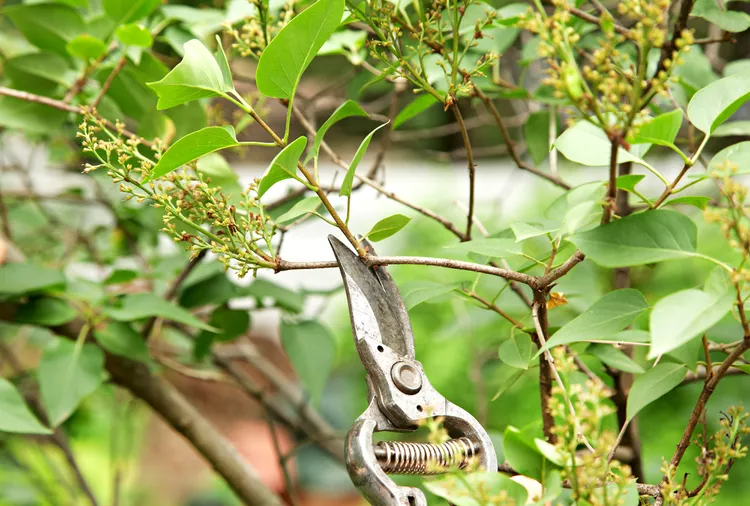
If you have a small gardening space, you may want to prune your goumi shrub frequently to keep it more compact. Late winter is the best time to prune out old, dead growth or any branches that cross or scrape against each other. After the plant has finished fruiting in summer, cut away any branches over 1 inch diameter and any unsightly stems that affect the look of your plant.
The easiest way to harvest fresh goumi berries is to lay a clean sheet beneath the plant and gently shake its stem, being careful not to damage young stems. The ripe, red berries will break free from the plant, while the underripe berries will stay attached to the branches. Because underripe and overripe goumi fruit doesn’t taste very pleasant, this technique will help you harvest berries at their peak flavor.
Pests and Problems
Goumi berries are naturally resistant to many common garden pests and diseases, which can make them a relatively low maintenance plant. However, humans aren't the only creatures that enjoy the flavor of goumi berries.
Deer
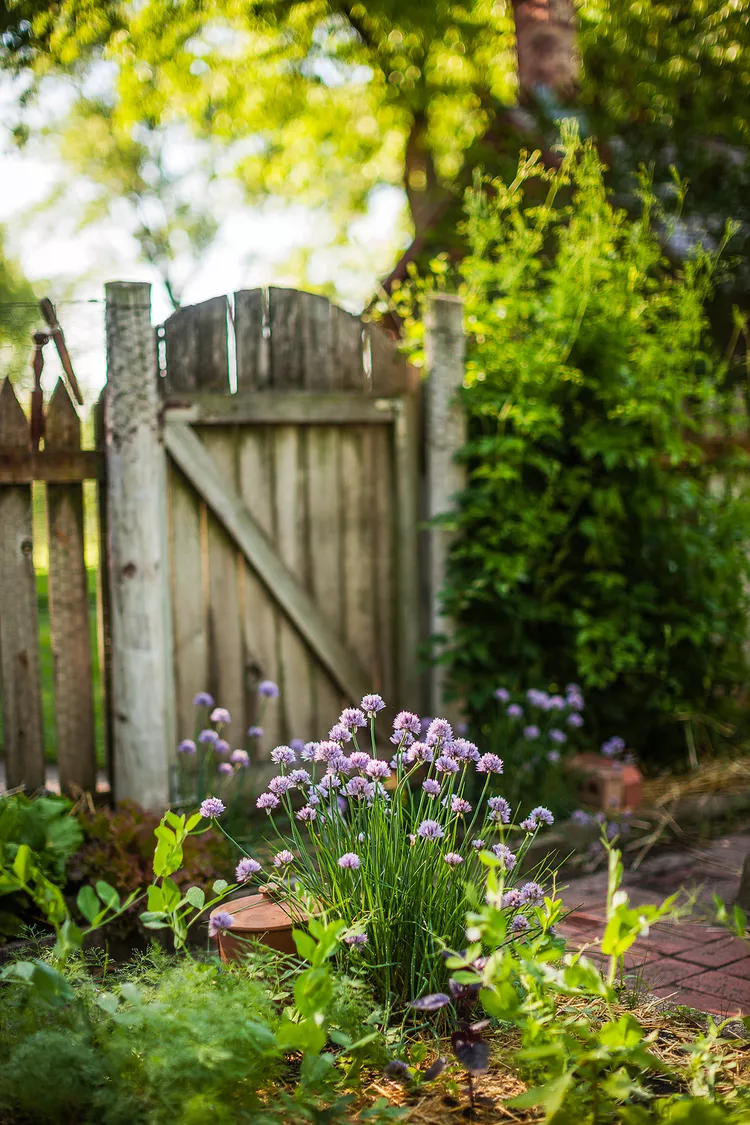
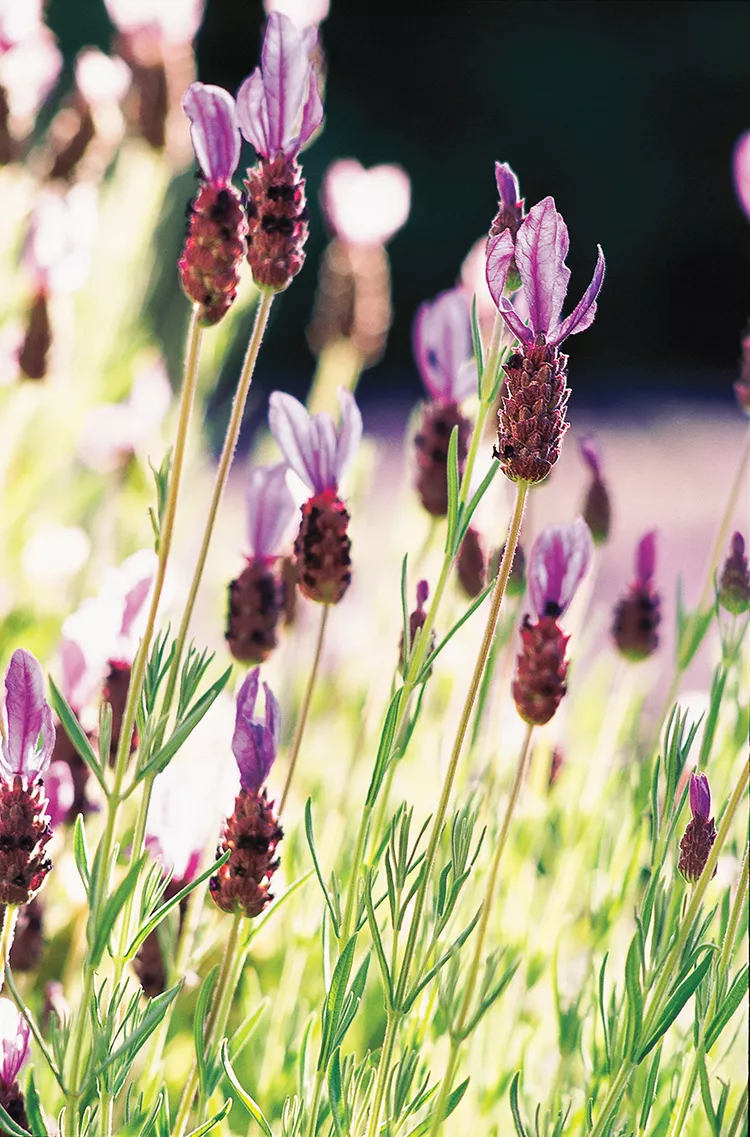
If deer have been browsing on your goumi shrubs, you may notice shortened stems or other significant signs of damage. Keep your goumi bushes safe by encircling them with 8-foot fencing. For a simpler option, planting aromatic herbs like lavender, germander, and catnip near your plants can keep deer away too.
Birds
While birds are less destructive than deer, they can still strip goumi bushes of all their berries in a short period of time. Draping floating row covers over your shrubs when fruit first appears can protect your harvest. Additionally, adding a bird bath to your garden will provide water to birds and make them less likely to target your plants.
How to Propagate Goumi Berry
Goumi berry shrubs can be propagated from seeds or cuttings. Before planting goumi seeds in soil, seeds will need to be given a warm stratification treatment for 4 weeks and then cold stratified for 12 weeks.
To propagate goumi berry plants from cuttings, take stem cuttings in mid- to late summer. Then plant the cuttings in moist potting soil about 2 inches deep. Keep the soil well-watered until you begin to see new growth and root development.
Types of Goumi Berry
Goumi berry shrubs can self-pollinate, which means you can grow just one plant and still get lots of fruit. However, planting more than one goumi shrub in your yard will increase pollination rates and boost your harvest yields. Some of the best varieties of goumi berry shrubs to try include:
‘Sweet Scarlet’
The fruit of ‘Sweet Scarlet’ is bright red with light silver freckles. Compared to ‘Red Gem,’ ‘Sweet Scarlet’ has slightly larger fruit. It grows about 6 feet in height.
‘Red Gem’
Known for being a very prolific plant, ‘Red Gem’ produces a large harvest of delicious berries and grows about 5 to 6 feet tall.