8 Simple Tips for Harvesting Rhubarb at Its Peak

20.5K
1.4K
616
2025-11-04
8 Simple Tips for Harvesting Rhubarb at Its Peak

Fresh rhubarb is a springtime treat that’s delicious in jams, jellies, and strawberry rhubarb pie. You can absolutely grow this vegetable yourself, but if you want to get the biggest and tastiest rhubarb stalks, you need to master the art of harvesting rhubarb. From timing your harvest to preserving freshly picked rhubarb, these tips will help you harvest a large crop of stalks without compromising the health of your plants.

The stalks of rhubarb are safe to eat, even raw, but the leaves are toxic to humans and animals.

1. Be Patient

Rhubarb plants are perennials that grow relatively slowly, and harvesting them before they’re fully mature can weaken the plants and cause stunted growth. Rhubarb grown from nursery starts can be harvested in its second year, one year after you plant it in your garden. However, if you’re growing rhubarb from seed, wait until plants are at least three years old to start harvesting.

2. Know When to Harvest

One of the great things about rhubarb is that the stalks can be picked in spring—long before most other garden vegetables start producing. In the northern hemisphere, rhubarb season usually begins in April or May and stretches through the end of June. Rhubarb continues to grow through summer and into fall, but it’s best to stop harvesting plants by early July as the stalks can get woody in summer, and the plants require time to recover before winter hits.

3. Don’t Worry About Stalk Color

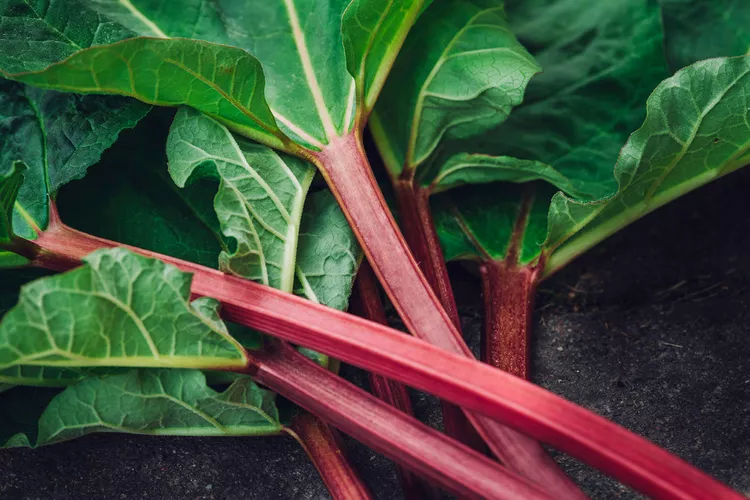
When most people think about edible rhubarb, they think about long, crisp rhubarb stalks that are bright red or pink. However, the stalk color doesn’t indicate whether rhubarb is ripe. Different varieties of rhubarb have different colored stalks, and it’s fine to harvest rhubarb with pale stems.

4. Look for These Signs of Ripeness

The best way to tell if rhubarb is ripe is to measure the rhubarb stalks. Ripe rhubarb stalks should be at least 10 inches long (not including the leaves), but it’s OK to harvest stalks that are longer. Rhubarb develops flavor as it grows, and longer stalks often have the best taste.

Healthy rhubarb stems should also be crisp, firm, and plump. Mushy or damaged stems can be clipped away and composted, but spindly or thin stems should be left on the plant. Undersized stems usually need more time to grow, but they can also indicate that the plant is weak and needs some time to recover before further harvesting.

5. Use the ‘Twist and Pull’ Method

One of the most common mistakes growers make when harvesting rhubarb is using a knife on the stalks. Cutting rhubarb stalks can make plants more vulnerable to pests and diseases like crown rot. Also, cut stalks don’t regrow, and they can redirect the plant’s energy away from producing new stems.

Instead of cutting the stalks, harvest your rhubarb by grasping a stem near the soil line and twisting it free with a gentle, pulling motion. The stem should come away easily from the plant at the root line with a quiet pop. If the stalk is difficult to remove, move your hand closer to the soil line and pull again. Using this “twist and pull” method is healthier for rhubarb plants and encourages them to produce more stems for future harvests.

6. Limit Your Harvest

Like most vegetables and herbs, rhubarb plants can become weak and stop growing if they’re over-harvested. To avoid this problem, always leave at least one-third to half of the plant’s stems intact and wait for the plant to produce more stalks before harvesting again. Also, remember that young plants should not be harvested as aggressively as older, established rhubarb plants.

7. Remove the Leaves

Immediately after harvesting, use a sharp knife to cut the rhubarb leaves off the stalks. Rhubarb leaves are toxic, and they can cause harvested rhubarb stalks to wither prematurely. While those rhubarb leaves should never be eaten, it’s safe to compost them.

8. Store Your Harvest the Right Way

Fresh rhubarb stalks can be stored in a perforated bag in the crisper drawer of your fridge for three to four weeks, but don't wash them until right before you use them. For longer-term storage, rhubarb can be frozen or canned and stored in the pantry. If you plan on using rhubarb to make strawberry rhubarb pie, freezing the rhubarb stalks will ensure you have plenty of rhubarb on hand when strawberry season begins in June.

Frequently Asked Questions

  • Why are my rhubarb stalks so thin?

    Undersized stalks may mean that your rhubarb plant is too young to harvest or that the stalks need more time to grow. However, thin stems may also indicate that the rhubarb plants need fertilizer or are growing too close to other plants.

  • When should you not pick rhubarb?

    Rhubarb should not be picked after early July because the plants need time to recover and store energy before winter. Also, the stalks can become woody and unpleasant to eat as the season progresses.

  • What time of day do you pick rhubarb?

    Some growers prefer to harvest rhubarb in the morning or evening, but rhubarb can be harvested at any time of the day. Just be sure to bring the stalks indoors soon after harvesting so they don’t start to wilt.

Sources
Better Homes & Gardens is committed to using high-quality, reputable sources—including peer-reviewed studies—to support the facts in our articles. Read about our editorial policies and standards to learn more about how we fact check our content for accuracy.
  1. Rhubarb. National Capital Poison Center

  2. Rhubarb. ASPCA

Related Article

Follow This Summer Garden Checklist to Keep Plants Thriving All Season
8.9K
533
213

Follow This Summer Garden Checklist to Keep Plants Thriving All Season

These guidelines will help you stay on top of summer gardening tasks and maintenance, keeping your plants colorful and thriving throughout the season.
12 Plants You Should Never Cut Back in Fall
20.6K
1K
102

12 Plants You Should Never Cut Back in Fall

These common garden shrubs and perennials should not be cut back in fall if you want healthier plants and more abundant flowers.
How to Test Your Garden Soil’s pH Level in 4 Simple Steps
22.4K
447
160

How to Test Your Garden Soil’s pH Level in 4 Simple Steps

Check your soil's acidity or alkalinity with an inexpensive kit, then use this info to decide which additives you need to grow healthier plants.
How to Sharpen Your Lawn Mower Blade for a Cleaner Cut
17.4K
872
113

How to Sharpen Your Lawn Mower Blade for a Cleaner Cut

Follow this step-by-step guide on how to sharpen your lawnmower blade for grass that will look tidier and stay healthier all season long.
How to Improve Soil in an Established Plant Bed
5.9K
530
111

How to Improve Soil in an Established Plant Bed

How to amend soil around plants without having to dig them up. Follow our easy tips.
Can You Mow Wet Grass? The Answer, Plus 7 Mowing Tips
39.7K
2.8K
444

Can You Mow Wet Grass? The Answer, Plus 7 Mowing Tips

Wet grass, whether it’s from morning dew or relentless rain, makes lawn care challenging. Keep your turf in check with our mowing tips.
Ladybug vs. Asian Lady Beetle: How to Tell the Good Bug from the Bad Bug
33.1K
1.3K
330

Ladybug vs. Asian Lady Beetle: How to Tell the Good Bug from the Bad Bug

A ladybug and an Asian lady beetle look similar, but one type helps control unwanted insects in the garden while the other is a pest itself. Here's how to tell these similar-looking bugs apart.
How to Get Rid of Clover Mites and Keep the Pests Away from Your Home
46.8K
3.3K
1.5K

How to Get Rid of Clover Mites and Keep the Pests Away from Your Home

Here's how to identify clover mites, the conditions that attract them, and ways get rid of them.
8 Insect-Repelling Plants that Work Naturally to Send Bugs Packing
25.2K
2K
947

8 Insect-Repelling Plants that Work Naturally to Send Bugs Packing

Improve your time outdoors with a few strongly scented insect-repelling plants, which can send pesky biting bugs, like mosquitoes and flies, packing.
2 Plants that Repel Ticks and Fleas from Your Yard
39.7K
4K
1.8K

2 Plants that Repel Ticks and Fleas from Your Yard

Flea and tick season is inevitable. Use garden plants that repel ticks and fleas to keep blood-sucking pests far away from you and your pets.
What Are the Tiny White Bugs on Your Plants? 4 Common Pests They Could Be
33.6K
671
140

What Are the Tiny White Bugs on Your Plants? 4 Common Pests They Could Be

Tiny white bugs on plants in your home or outdoors can be a big problem. Learn how to identify and get rid of them with this guide.

8 Expert Tips on How to Keep Squirrels Out of Bird Feeders
31.2K
2.5K
923

8 Expert Tips on How to Keep Squirrels Out of Bird Feeders

These tips from experts on how to keep squirrels out of bird feeders ensure a cleaner outdoor space and only birds at your feeder.
8 Tips for Growing Cherry Tomato Plants That Will Thrive All Season
5.2K
364
152

8 Tips for Growing Cherry Tomato Plants That Will Thrive All Season

Find out how to keep your cherry tomato plants producing plenty of ripe, juicy fruit from midsummer until fall.
Is Basil a Perennial That Will Come Back Each Year?
22K
1.8K
316

Is Basil a Perennial That Will Come Back Each Year?

Is basil a perennial or an annual in your area? No matter where you live, these gardening tips will let you enjoy fresh basil year-round.
10 Best Lavender Companion Plants
30.4K
3K
303

10 Best Lavender Companion Plants

Learn how to grow a lower maintenance edible or ornamental garden with these top lavender companion plants.
How to Grow Sweet Potatoes in Containers for a Tasty Harvest
46.9K
4.2K
2.1K

How to Grow Sweet Potatoes in Containers for a Tasty Harvest

This guide covers how to grow sweet potatoes in containers, including must-know tips on choosing containers, planting, care, and harvesting.
9 Tips for Companion Planting Vegetables to Boost Harvests
35.9K
2.5K
451

9 Tips for Companion Planting Vegetables to Boost Harvests

Companion planting is a natural and organic gardening technique that helps repel pests and grow healthier plants. Use these smart tips to start companion planting in your vegetable garden.
This Corner Garden of Shrubs and Trees Will Look Beautiful Year-Round
49.9K
4.5K
988

This Corner Garden of Shrubs and Trees Will Look Beautiful Year-Round

This simple plan, which includes trees and shrubs for the corner of your house or patio, offers privacy and plenty of vertical interest.
This Clay Soil Garden Plan Will Thrive Even in Tough Conditions
26.5K
1.1K
413

This Clay Soil Garden Plan Will Thrive Even in Tough Conditions

The plants in this stunning clay soil garden plan thrive in less than ideal planting conditions.
This Easy-Care Summer Garden Plan Will Shine in a Sunny Spot
28.4K
568
96

This Easy-Care Summer Garden Plan Will Shine in a Sunny Spot

Use this easy-care summer garden plan to enjoy a beautiful season-long floral show with very little work.