8 Surprising Benefits of Letting Your Grass Grow Long

8.2K
244
107
2025-11-17
8 Surprising Benefits of Letting Your Grass Grow Long

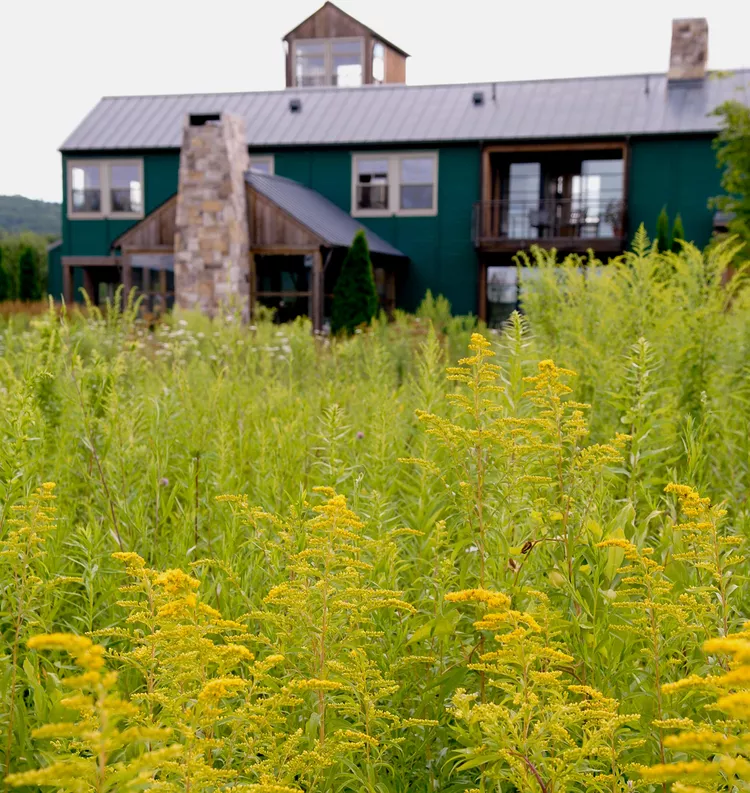
Freshly-mowed lawns are pretty to look at, but they're not the best for the environment. The emissions from gas-powered mowers and trimmers contribute to air pollution, and mowing over native grasses and wildflowers reduces the nectar for pollinators. Instead of sticking to an every-other-week mowing schedule, let your grass grow a little longer, skip the herbicide, and commit to mowing less often (it's one less garden chore to worry about most weekends!). If you're not ready to completely let go of your mowing schedule just yet, start by taking a break from a small section or troublesome area in the landscape. It'll help the local plants and animals, and give you an idea of what mowing less will look like in your entire yard.

1. Conserve Water

Using drought-resistant and native plants will cut down the amount of water needed to keep your landscape looking full and colorful. If you think about it, meadows occur naturally and survive solely on rainwater and dew. Try just giving your grass a little drink during dry spells, but otherwise, let nature run its course.

2. Attract Pollinators

Keep the bees, butterflies, and hummingbirds in mind when selecting plants. There's been a decrease in the number of pollinators in the last few decades, mostly due to disease and harsh pesticides. Truth is, pollinators are essential for crops like corn, soybeans, and other vegetables. Pick nectar-rich plants like coneflower and aster (and let the dandelions grow!) to give them plenty of pollinating power.

3. Help the Birds

Attract more birds to your property by not cleaning up as often (yes, really!). The dried up and dead stems and stalks from meadow plants provide easy nesting materials. If you can, leave any dead plants in your landscape so birds have plenty of materials to build nests in spring. To bring more birds to your yard, pick seedy plants like sunflowers and cosmos, or try some native grasses. Birds will love the convenient food source.

4. Use Less Gas

Everyone's heard about air pollution from cars, livestock, and factories, but did you ever think about what running your mower every week can do to the air in the long run? Since many models run on gas, the exhaust releases many of the same gases that cars do. Accidentally spilling gas when you're filling up the tank can also do a number on your soil and your plants. Mow less and you'll reduce air pollution; it's that simple. Or, at least switch to a cleaner, more eco-friendly battery-powered option.

5. Get Cut Flowers

Many meadow plants make for amazing cut flowers that last a long time in a vase. Plant flowers like zinnia and bee balm for stunning bouquets all season long. Plus, many of these plants self-seed, creating more flowers with little to no effort from you.

6. Use Native Plants

Planting natives is beneficial for the surrounding area, and usually, those indigenous plants are a part of the ecosystem in more ways than one. Those species naturally grow in that particular type of soil and animals in the area are used to having those plants as their habitat. Southwestern birds make their homes in tall saguaros, and small mammals in the Midwest create burrows and nests in tall grasses. Natives also tend to be hardier and more drought-tolerant than non-natives. These plants are a sure way to meadow success.

7. Grow In Problem Areas

Since natives and other meadow plants are typically hardy, you can rely on them to troubleshoot landscaping problems where you just can't get grass to grow. Lupines and coneflowers are gorgeous go-to plants for stabilizing a hillside. Look for other erosion-controlling varieties to mix in. If you get a lot of deer and rabbits, you can cater your plant choices to plants they won't eat, like yarrow and foxglove. Have an area of the yard that is constantly boggy and drowns out anything you plant there? There are meadow plants for that, too. Try milkweed and larkspur. Last but not least, add some beauty and privacy to the parking strip in front of your house. Those areas deal with a lot of foot and paw traffic, so plant hardy flowers like columbine and lavender.

8. Prevent Pests

Shasta daisies and rock cress are known for their growing prowess, but some of their strength may actually come from the beneficial insects they attract. Bugs like ladybugs and lacewings help to keep pest populations in check, saving your garden from a parasitic disaster. Many of the same plants that beneficial insects are attracted to are the same plants that attract pollinators, so you can get two benefits out of planting the same flowers.

Letting native plants grow instead of mowing over them helps the local ecosystem thrive the way it should be, instead of stunting the natural order of things. Meadow plants are just as beautiful as more unusual annuals and perennials, and grow even stronger since they are used to the conditions in your backyard. Letting your lawn grow also helps you be more eco-friendly in the landscape by saving water and reducing emissions. And the best part of mowing your lawn less is that the landscape will do most of the work for you.

Related Article

Follow This Summer Garden Checklist to Keep Plants Thriving All Season
8.9K
533
213

Follow This Summer Garden Checklist to Keep Plants Thriving All Season

These guidelines will help you stay on top of summer gardening tasks and maintenance, keeping your plants colorful and thriving throughout the season.
12 Plants You Should Never Cut Back in Fall
20.6K
1K
102

12 Plants You Should Never Cut Back in Fall

These common garden shrubs and perennials should not be cut back in fall if you want healthier plants and more abundant flowers.
How to Test Your Garden Soil’s pH Level in 4 Simple Steps
22.4K
447
160

How to Test Your Garden Soil’s pH Level in 4 Simple Steps

Check your soil's acidity or alkalinity with an inexpensive kit, then use this info to decide which additives you need to grow healthier plants.
How to Sharpen Your Lawn Mower Blade for a Cleaner Cut
17.4K
872
113

How to Sharpen Your Lawn Mower Blade for a Cleaner Cut

Follow this step-by-step guide on how to sharpen your lawnmower blade for grass that will look tidier and stay healthier all season long.
How to Improve Soil in an Established Plant Bed
5.9K
530
111

How to Improve Soil in an Established Plant Bed

How to amend soil around plants without having to dig them up. Follow our easy tips.
Can You Mow Wet Grass? The Answer, Plus 7 Mowing Tips
39.7K
2.8K
444

Can You Mow Wet Grass? The Answer, Plus 7 Mowing Tips

Wet grass, whether it’s from morning dew or relentless rain, makes lawn care challenging. Keep your turf in check with our mowing tips.
Ladybug vs. Asian Lady Beetle: How to Tell the Good Bug from the Bad Bug
33.1K
1.3K
330

Ladybug vs. Asian Lady Beetle: How to Tell the Good Bug from the Bad Bug

A ladybug and an Asian lady beetle look similar, but one type helps control unwanted insects in the garden while the other is a pest itself. Here's how to tell these similar-looking bugs apart.
How to Get Rid of Clover Mites and Keep the Pests Away from Your Home
46.8K
3.3K
1.5K

How to Get Rid of Clover Mites and Keep the Pests Away from Your Home

Here's how to identify clover mites, the conditions that attract them, and ways get rid of them.
8 Insect-Repelling Plants that Work Naturally to Send Bugs Packing
25.2K
2K
947

8 Insect-Repelling Plants that Work Naturally to Send Bugs Packing

Improve your time outdoors with a few strongly scented insect-repelling plants, which can send pesky biting bugs, like mosquitoes and flies, packing.
2 Plants that Repel Ticks and Fleas from Your Yard
39.7K
4K
1.8K

2 Plants that Repel Ticks and Fleas from Your Yard

Flea and tick season is inevitable. Use garden plants that repel ticks and fleas to keep blood-sucking pests far away from you and your pets.
What Are the Tiny White Bugs on Your Plants? 4 Common Pests They Could Be
33.6K
671
140

What Are the Tiny White Bugs on Your Plants? 4 Common Pests They Could Be

Tiny white bugs on plants in your home or outdoors can be a big problem. Learn how to identify and get rid of them with this guide.

8 Expert Tips on How to Keep Squirrels Out of Bird Feeders
31.2K
2.5K
923

8 Expert Tips on How to Keep Squirrels Out of Bird Feeders

These tips from experts on how to keep squirrels out of bird feeders ensure a cleaner outdoor space and only birds at your feeder.
8 Tips for Growing Cherry Tomato Plants That Will Thrive All Season
5.2K
364
152

8 Tips for Growing Cherry Tomato Plants That Will Thrive All Season

Find out how to keep your cherry tomato plants producing plenty of ripe, juicy fruit from midsummer until fall.
Is Basil a Perennial That Will Come Back Each Year?
22K
1.8K
316

Is Basil a Perennial That Will Come Back Each Year?

Is basil a perennial or an annual in your area? No matter where you live, these gardening tips will let you enjoy fresh basil year-round.
10 Best Lavender Companion Plants
30.4K
3K
303

10 Best Lavender Companion Plants

Learn how to grow a lower maintenance edible or ornamental garden with these top lavender companion plants.
How to Grow Sweet Potatoes in Containers for a Tasty Harvest
46.9K
4.2K
2.1K

How to Grow Sweet Potatoes in Containers for a Tasty Harvest

This guide covers how to grow sweet potatoes in containers, including must-know tips on choosing containers, planting, care, and harvesting.
9 Tips for Companion Planting Vegetables to Boost Harvests
35.9K
2.5K
451

9 Tips for Companion Planting Vegetables to Boost Harvests

Companion planting is a natural and organic gardening technique that helps repel pests and grow healthier plants. Use these smart tips to start companion planting in your vegetable garden.
This Corner Garden of Shrubs and Trees Will Look Beautiful Year-Round
49.9K
4.5K
988

This Corner Garden of Shrubs and Trees Will Look Beautiful Year-Round

This simple plan, which includes trees and shrubs for the corner of your house or patio, offers privacy and plenty of vertical interest.
This Clay Soil Garden Plan Will Thrive Even in Tough Conditions
26.5K
1.1K
413

This Clay Soil Garden Plan Will Thrive Even in Tough Conditions

The plants in this stunning clay soil garden plan thrive in less than ideal planting conditions.
This Easy-Care Summer Garden Plan Will Shine in a Sunny Spot
28.4K
568
96

This Easy-Care Summer Garden Plan Will Shine in a Sunny Spot

Use this easy-care summer garden plan to enjoy a beautiful season-long floral show with very little work.